In recent years, a notable shift has taken place in architecture. Instead of sheer quantity, the value that architecture adds to human life and the environment has moved to the forefront. This approach is fueled by the imperatives of the climate crisis and by rising expectations for higher-quality urban living. Architecture is no longer defined merely as the production of physical space; it is a practice of balancing people, environment, and time through multiple layers. With this understanding, buildings cease to be isolated objects and become parts of a sustainable whole that touches life, the city, and nature. Aura Design Studio sees this not as a passing trend but as a return to the essence of architecture. Centering the value a place adds to people, the environment, and time, the studio articulates a holistic perspective that helps define the new direction of contemporary architecture.
User experience now sits at the heart of architectural thinking—how we move through a space, how we meet the light, how our emotions form within a building. These elements shift architecture from a purely visual art to one that gains value through its invisible relationship with people.
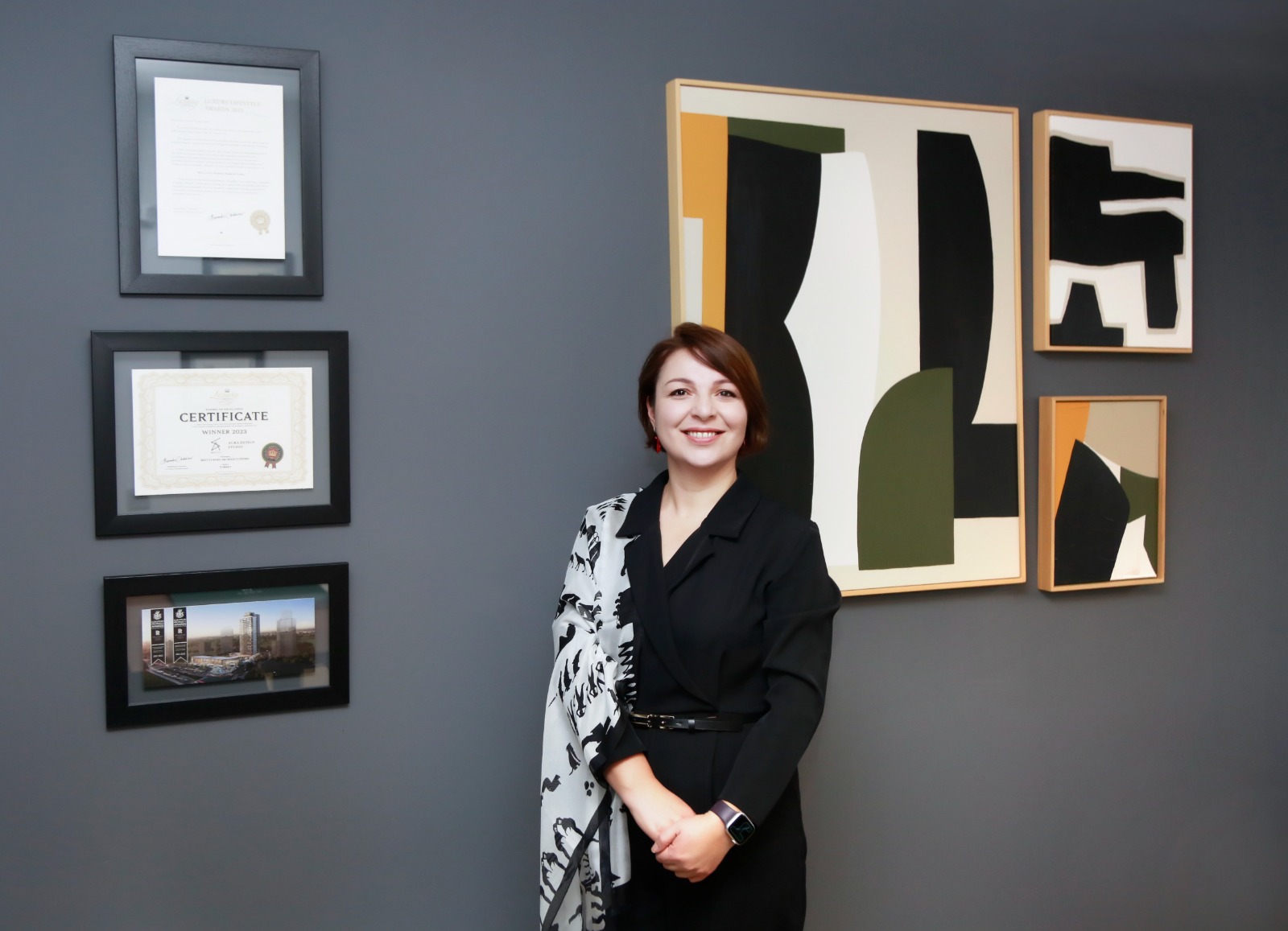
Founder Architect Filiz Cingi Yurdakul explains: “For us, sustainability is not only an environmental concept. The relationship between people and space must also be sustainable. If a building fails to make its users feel well in the long term, that design is not truly sustainable. At Aura Design Studio, these invisible layers are among the core inputs of design. Every building is conceived as an experiential field that touches the human being. For us, a building is not an object confined to its own boundaries; it is an organism that contributes to its setting, its community, and nature. Every project begins with the question of how it can add value to the whole it belongs to. Architecture is, at its core, a practice of producing holistic value—a responsibility to create value for people, for the environment, for the city, and for the future.”
WHAT DOES “CREATING VALUE” MEAN?
In architecture, “value” is often framed in economic terms, but it is in fact multi-layered:
- Value for people: How space reshapes our behavior, emotions, and relationships with daily life.
- Value for the environment: A building’s harmony with ecosystems, its resource use, carbon footprint, and the burden—or benefit—it passes on to future generations.
- Value for the city: The identity, flow, memory, and forms of collective use it creates in its context.
- Value over time: Durability, adaptability, and the new meanings a building produces as it ages.
Accordingly, architectural design is no longer a sequence of aesthetic decisions alone; it is a practice of thinking people, environment, and the rhythm of time together.