

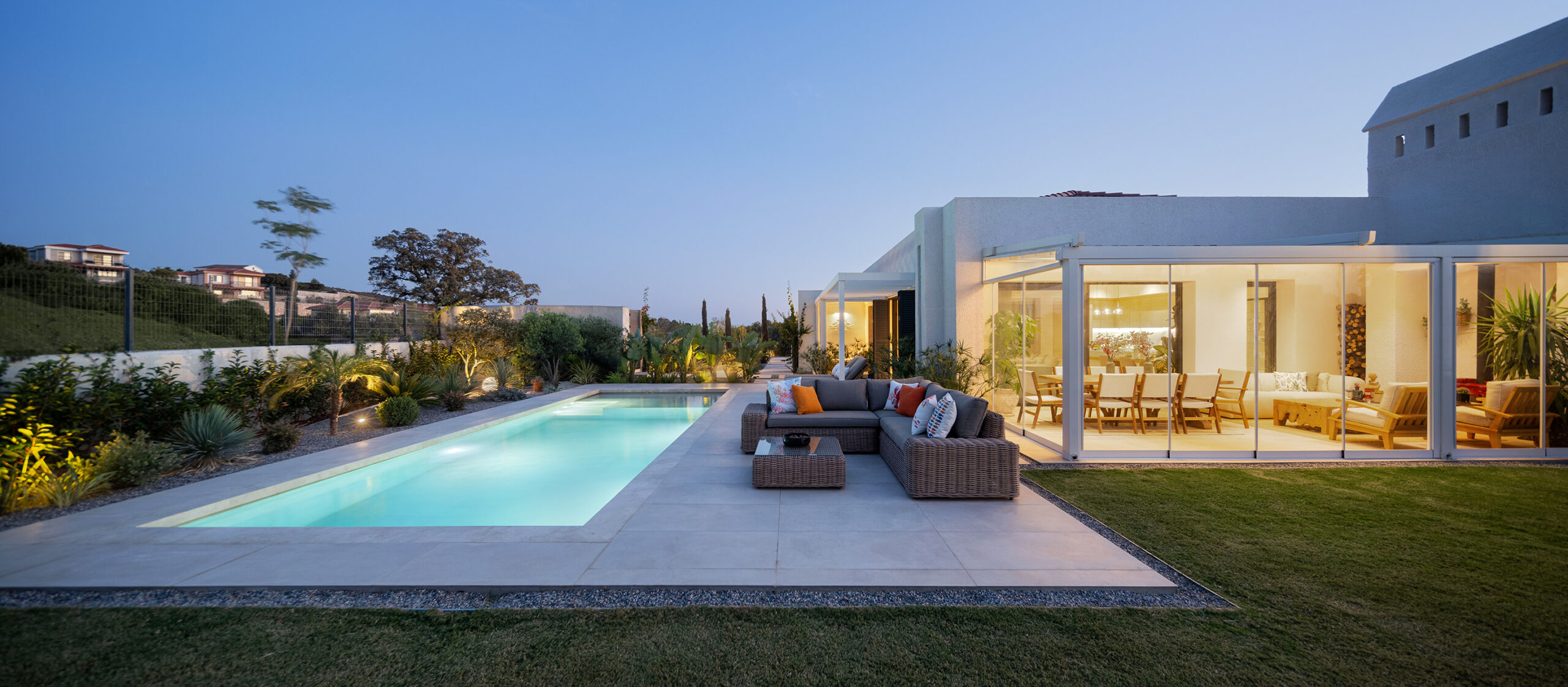
Taylan Tanyer, General Coordinator of Tanyer Yapı, says eco-friendly projects in low-rise architecture are increasingly being preferred.
Noting that TanUrla—currently under construction in Urla Bademler—has been designed in harmony with nature and with a focus on renewable energy, Tanyer adds: “We aim to deliver the first keys in 2025.”
Recalling that rising environmental concerns have made sustainable, eco-friendly housing projects in low-rise architecture more important than ever, Tanyer explains: “Unlike traditional high-rise construction, low-rise developments feature fewer storeys and typically spread over larger plots. Applying sustainability principles to such projects offers many advantages.”
Energy Efficiency and Resource Savings
Low-rise projects generally consume less energy than tall buildings, Tanyer notes. “Because they have fewer floors, energy-hungry systems like elevators are used less. Large roof and façade areas offer more room for renewable systems such as solar panels. With proper design, natural ventilation and daylight can be maximised, significantly cutting heating, cooling and lighting costs. Rainwater harvesting and grey-water recycling reduce water use, while landscaping with native plants minimises irrigation needs and supports biodiversity.”
Harmony with Nature and Biodiversity
Low-rise architecture, he says, can create living spaces that blend more easily with nature: “Expansive green areas, gardens and parks provide recreation for residents and help preserve natural habitats. Eco-friendly materials—recycled products, low-carbon components—reduce the environmental impact of construction. Green roofs and vertical gardens improve insulation while boosting urban biodiversity, creating habitats for birds and insects.”
Social Benefits
“Sustainable low-rise projects offer not only environmental but also social advantages,” Tanyer continues. “Larger living areas and shared spaces such as community zones and playgrounds enhance quality of life. With fewer stairs or elevator trips, they are more accessible for the elderly and people with disabilities. Design approaches that maximise daylight and fresh air positively affect residents’ physical and mental health.”
Long-Term Economic Gains
Although initial costs can be higher than conventional projects, sustainable low-rise developments provide significant long-term economic benefits, Tanyer says. “Lower energy and water bills, reduced maintenance, and longer building life translate into savings for residents and investors. Their eco-friendly, modern design also increases market value over time. By combining environmental sustainability, economic efficiency and social well-being, these projects play a critical role in shaping the living environments of the future.”

Adding Value to the Region
“In TanUrla, we will deliver two zones in 2025 and hand over the final zone in 2026,” Tanyer says. “We’re receiving strong demand from both within and outside the city. Our completed model homes have had a big impact, and we expect sales to rise in the year’s second half as supply tightens. TanUrla offers floor plans to suit every dream home. We’re also in talks with well-known brands for the commercial spaces—and we want to prioritise unique local İzmir brands. The project will raise the area’s value.”
Mindful Water Use
Outlining the 1-bedroom to 5-bedroom layouts at TanUrla, Tanyer adds: “Our landscaping will match the locale, using species that already thrive here—low-water plants, olive and pomegranate trees, grapes. Water is a major focus: we’ll harvest and reuse rainwater, treat and recycle grey water, and avoid high-consumption lawns in favour of diverse native vegetation. Any turf will be limited to prevent excess water use, ensuring the landscape itself is sustainable.”