


SPC (Stone Plastic Composite) flooring, with its rigid core structure and practical installation advantages, is increasingly preferred in both residential and commercial projects. As demand grows, product variety in the market expands, but the most critical question on the buyer side stays the same: “Is this manufacturer truly reliable?”
To answer that question in a healthy way, it helps to proceed step by step, understand SPC’s core structure correctly, and clarify which criteria actually matter when choosing a manufacturer. This article offers a practical framework to strengthen your decision while researching manufacturers.
What SPC is, and what it is not
SPC is classified as a vinyl based flooring category and it gets its rigidity from the combination of mineral filler in the core (for example calcium carbonate) and polymer. This structure gives the product its “rigid core” character. SPC products are typically offered in plank or tile form and the top layers include a decorative film and a wear layer. ISO 10582, the standard published by ISO for PVC based heterogeneous resilient floor coverings, is a useful reference point for understanding the technical framework of many vinyl flooring types on the market.
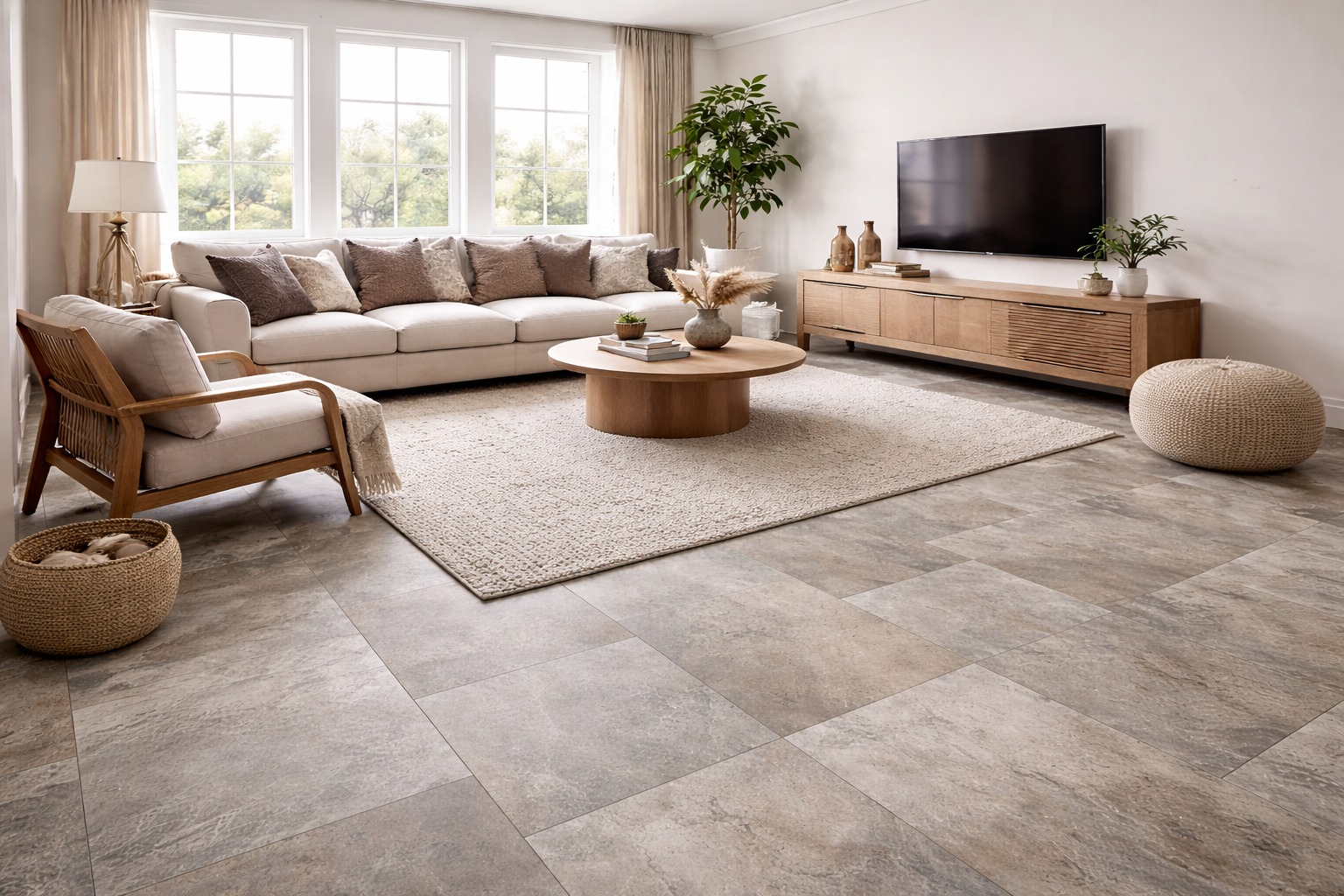
Your first filter when choosing a manufacturer: standards and compliance documentation
A reliable manufacturer does not stop at saying “the product looks good,” it backs technical claims with documentation. The minimum set you should request includes:
- Product technical data sheet (thickness, wear layer, locking system, density, tolerances)
- Performance test reports and relevant standard references
- If the product is supplied to the European market, clear information under EN 14041 regarding safety and performance requirements, marking, and assessment processes (which framework the product is certified under and which declarations it is sold with)
- For rigid core products, a declaration of conformity to frameworks often referenced in the US such as ASTM F3261 (especially common in project specifications)
These documents should not be treated as a simple checkbox. Verify whether the date, product code, batch details, and the test laboratory name are consistent.
Indoor air quality, the quiet risk: VOC and certifications
One of the most overlooked topics in SPC purchasing is emissions. For products used in indoor spaces, third party certifications for low VOC performance are a major signal of reliability. Asking the manufacturer for the product list covered by the certificate and the certificate document itself helps you go beyond the “there is a label” level.
The details that reveal real quality: core, locking system, and tolerances
Everything looks perfect in a catalog, but on site issues usually show up in three areas:
- Locking system and joint tolerances: If milling quality is weak, problems like gapping over time, squeaking, and edge lifting can occur.
- Core stability: Dimensional stability under temperature fluctuations is one of the key factors separating a strong manufacturer from a weak one.
- Wear layer: If the target is commercial use or heavy traffic, wear layer thickness and the tests the manufacturer uses to support it become critical.
For that reason, requesting a single sample is not enough. If possible, request samples of the same product from different batches so you can evaluate quality consistency.
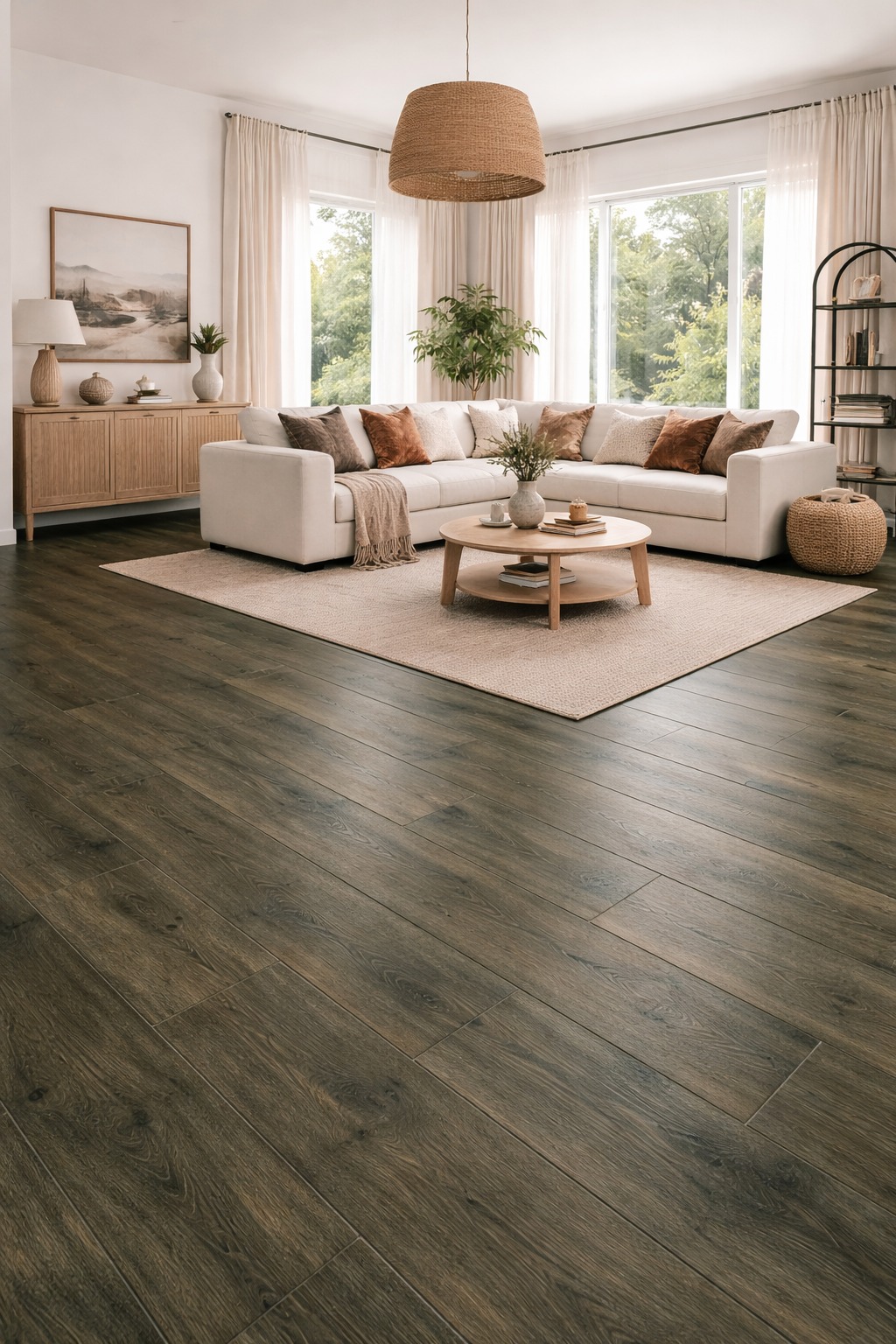
Installation guide and after sales support are the manufacturer’s statement of intent
A reliable manufacturer does not just say “installation is easy,” it sets clear rules in writing, including subfloor tolerances, acclimation, expansion gaps, temperature limits, and exposure to sunlight. In product guides, operating temperature limits and usage restrictions are stated explicitly. This kind of transparency is usually a strong manufacturer reflex.
Warranty should be read the same way. Not only the warranty duration matters, but also how clear the terms are. Between a manufacturer that claims “30 years” and hides dozens of exceptions and a manufacturer that says “10 years” and explains conditions clearly, the second option is often more reliable in practice.
A practical checklist for buyers
To quickly screen a manufacturer, these questions help:
- Are the product standards and test reports linked to a specific product code and are they up to date?
- Is there a low VOC or IAQ certification and which products does it cover?
- What is the locking system type, what are the tolerance ranges, and how are site complaint rates managed?
- Is there traceability: batch number, production date, shipment records?
- Is there a complaint management process: technical team, installer network, reporting form?
A manufacturer that cannot answer these clearly often carries risk not because of product quality first, but because of operational maturity.