

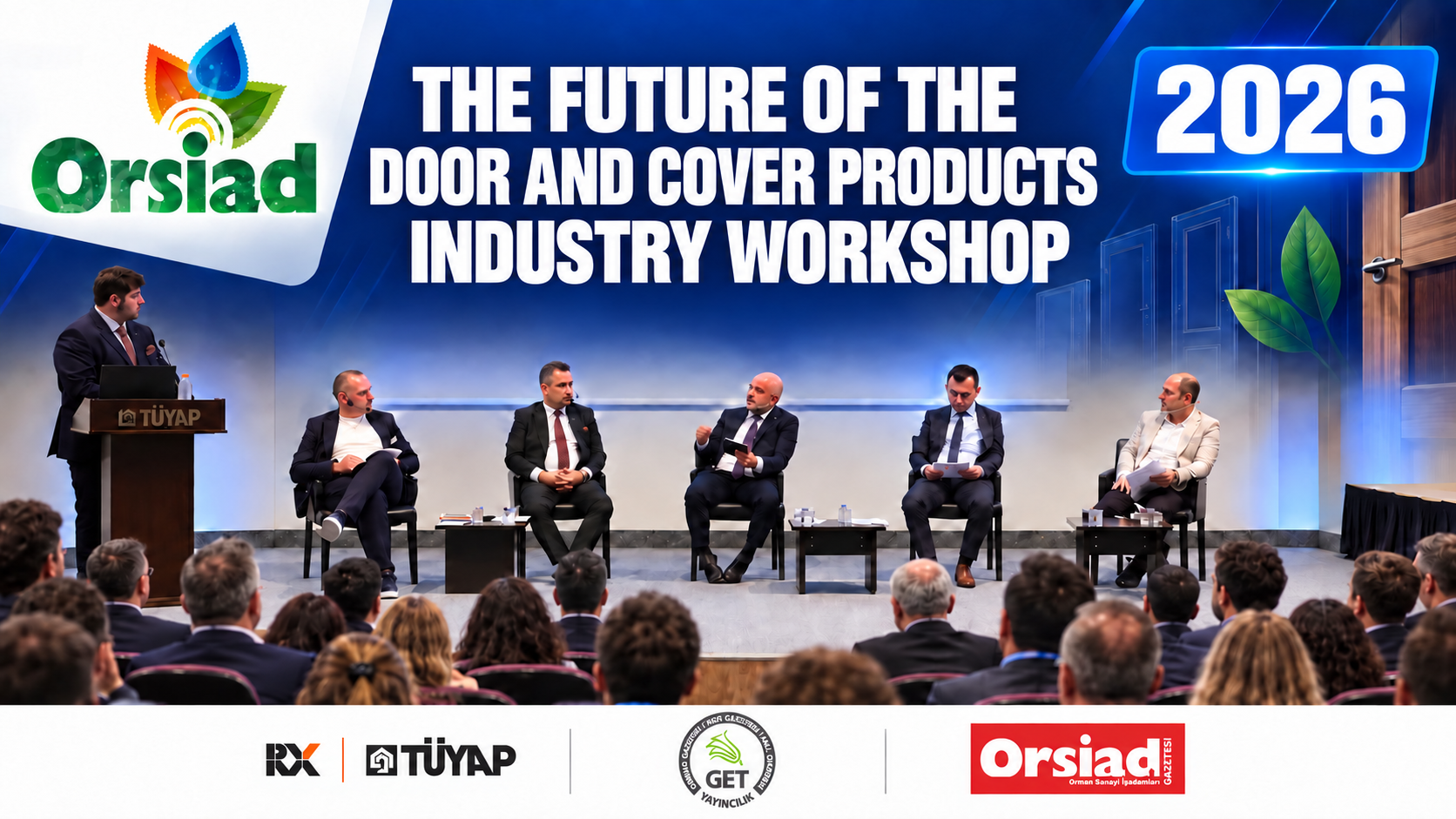
Doors · Kitchen · Bathroom Cabinet Fronts
Organized by: ORSİAD Newspaper
Date: Saturday, September 19, 2026, Third Day of the Fair
Venue: Karadeniz Hall, TÜYAP Fair and Congress Center, Büyükçekmece, Istanbul
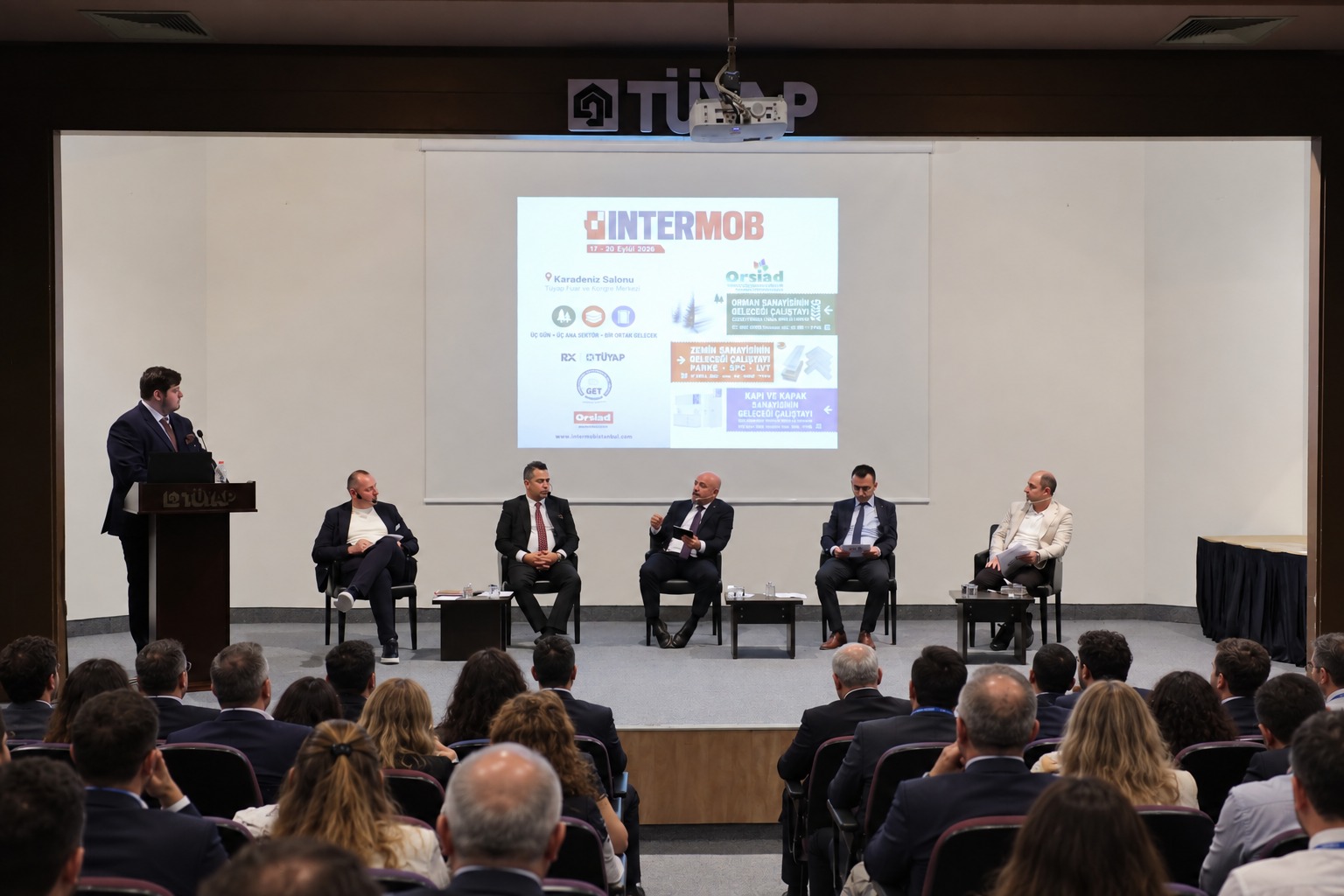
Moderator: Tarkan Demir, Editor-in-Chief of ORSİAD Newspaper
Speakers
- Aziz Biçer, Kastamonu Entegre, Product Technical Manager, Flooring and Value-Added Products, representing YOMSAD
- Mehmet Hacılar, Normdoor Door Systems, General Manager and Partner, representing KAPSIAD, Steel Door Manufacturers and Businesspeople Association
- Ümit Yıldız, Emaks Prime, Sales-Marketing and General Manager, representing MAKSDER, Furniture Accessories Manufacturers Association
- Kadir Kaya, Biesse Türkiye and Middle East, Technology Application Manager, representing AİMSAD, Woodworking Machinery Industrialists Association
- Dr. Selçuk Akbaş, Portakal Plastik, Edge Banding Factory, Production Manager, representing the Edge Banding Manufacturers Sector
Opening
The moderator welcomed the speakers and audience to the workshop. Before the official opening of the program, a moment of silence was observed in memory of Türkiye’s martyrs and veterans, followed by the Turkish National Anthem.
The moderator then explained the format. Five questions had been prepared, although some could be combined or one could be skipped if time became limited. Each question would be addressed to all speakers in sequence, beginning with Aziz Biçer.
Before moving on to the first question, each speaker was asked to introduce themselves and the organization they represented.
First Question
“What are your forecasts for production, consumption and sales in the final quarter of 2026 and throughout 2027?”
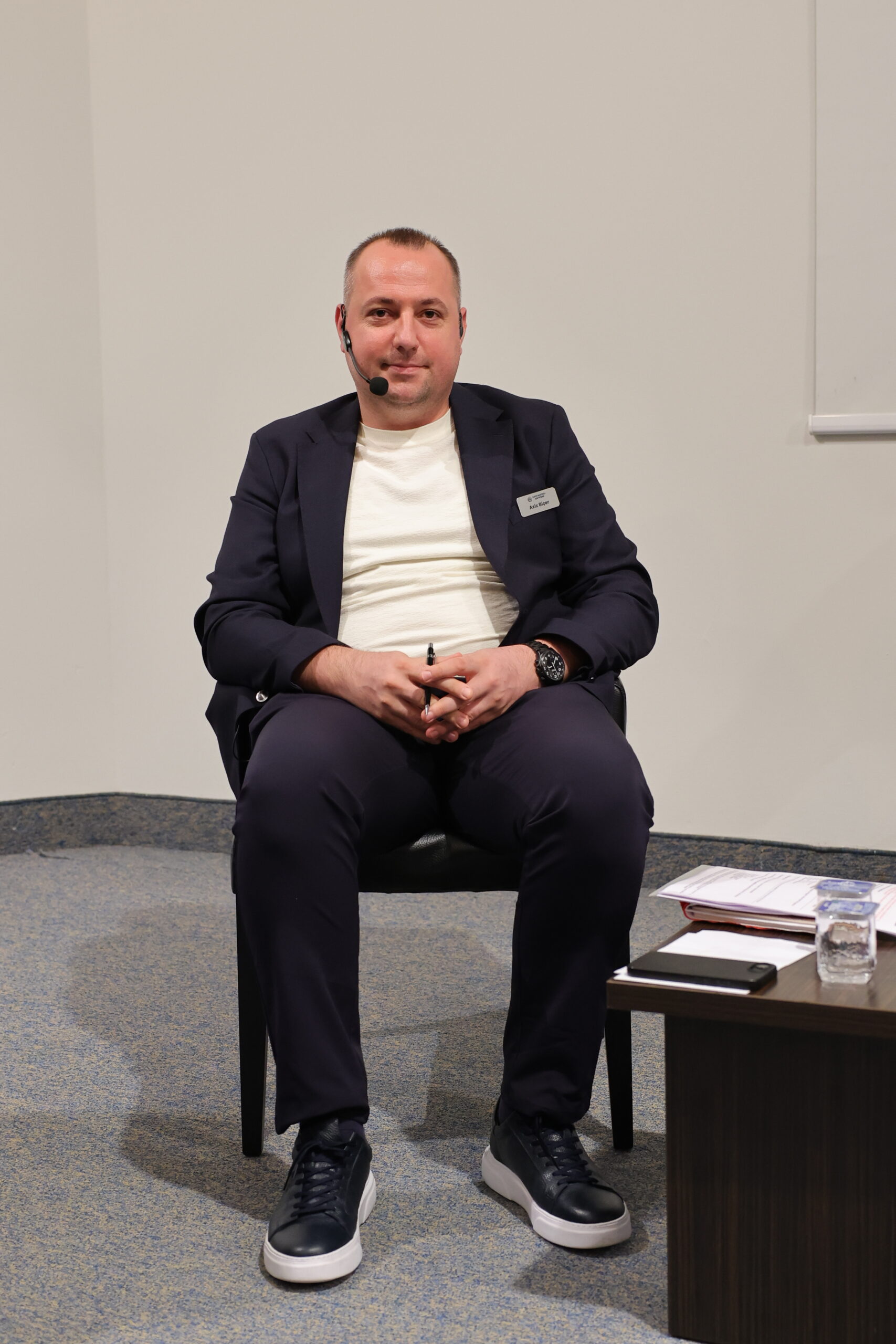
Aziz Biçer, Kastamonu Entegre / YOMSAD
Aziz Biçer introduced himself as a Forest Industry Engineer who has worked at Kastamonu Entegre for 14 years and currently serves as Technical Manager responsible for laminate flooring and value-added product groups.
He stated that Türkiye does not have an official and regularly updated statistical series covering interior doors or kitchen, bathroom and cabinet front production.
For this reason, estimated market sizes are calculated using TÜİK building permit data, furniture industry statistics, production capacity information from industry players and average product usage per housing unit.
Based on these estimates:
- Interior doors: average annual sales of approximately 8-10 million units
- Steel entrance doors: approximately 2.5 million units
- Fire-rated and technical doors: an increasingly important segment with the potential to reach 500,000-1 million units
- Total door market: approximately 13-14 million units annually
Biçer explained that the kitchen and cabinet front segment is assessed primarily in square meters because of the variety of dimensions involved.
He shared the following estimates:
- Kitchen and cabinet fronts: approximately 25-40 million units annually, equivalent to 3.5-5.5 million m²
- Bathroom and cabinet fronts: approximately 6-10 million units annually, equivalent to 700,000-1.2 million m²
- Total kitchen and bathroom cabinet front market: approximately 30-50 million units annually
These figures cover different surface and construction types including MDF, membrane, acrylic, lacquered, PVC, laminate and wood veneer products.
He predicted that urban transformation, renovation activities, increasing demand for premium and technical products and higher value added per product would positively support the sector during the 2026-2030 period.
He added that Kastamonu Entegre aims to support customer demand with alternative products ranging from MDF to door panels and decorative technical panel solutions.
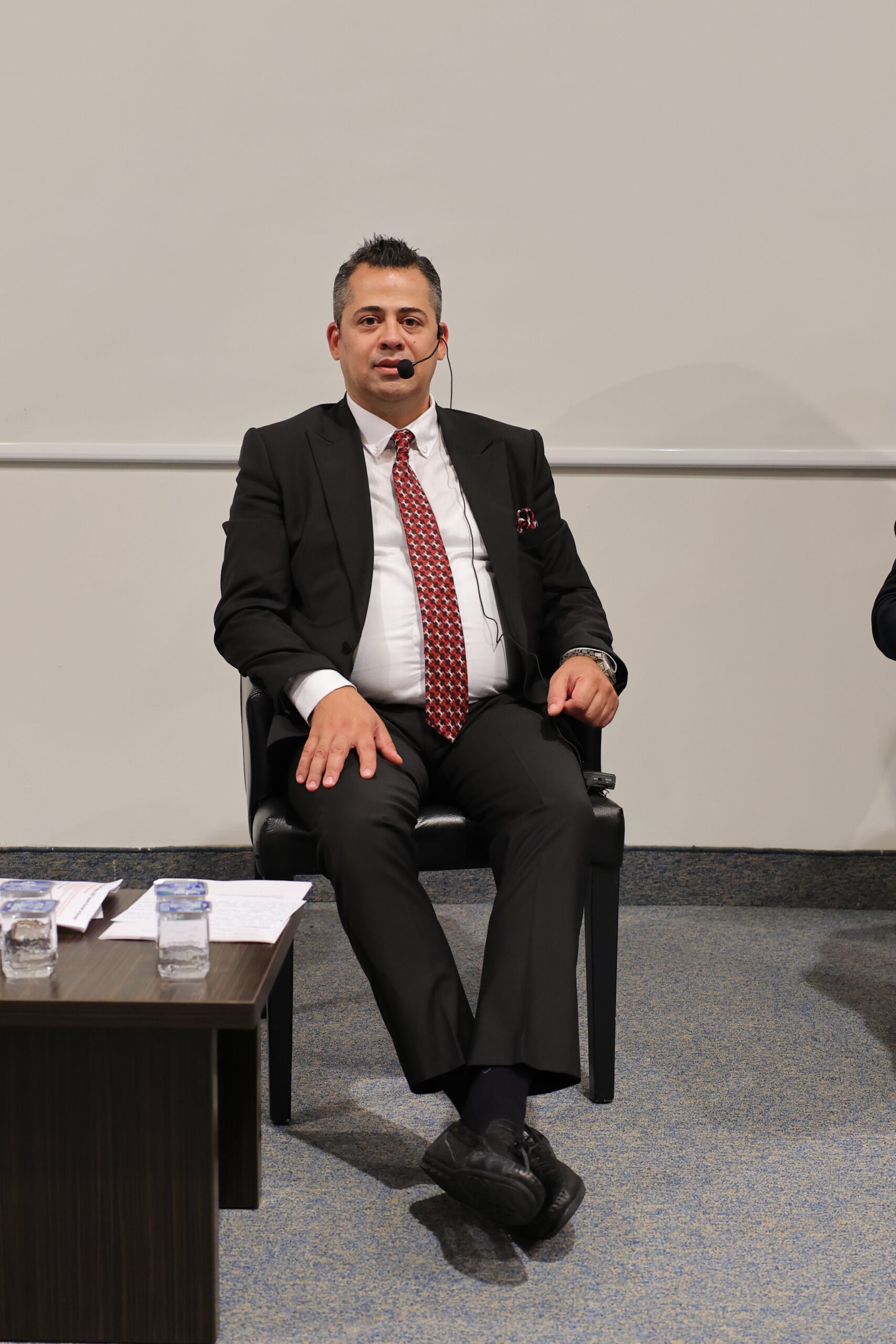
Mehmet Hacılar, Normdoor / KAPSIAD
Mehmet Hacılar introduced himself as a Kayseri-based partner and founder of Normdoor Door Systems as well as a founding member and board member of KAPSIAD, the Door Manufacturers and Businesspeople Association.
He stated that Türkiye ranks eighth globally in steel door production, with China ranking first.
He described 2026 as commercially challenging but also as a year of recovery.
According to his assessment, Kayseri produces nine out of every ten steel doors manufactured in Türkiye.
Based on TOBB and chamber of commerce data, he estimated annual production at approximately:
- 4 million steel doors
- 1 million fire-rated and technical doors
- 10-15 million interior doors
For 2027, he expects urban transformation, mass housing projects, individual villa and residential developments, hotel investments and student accommodation projects to support growth in both Türkiye and global construction markets.
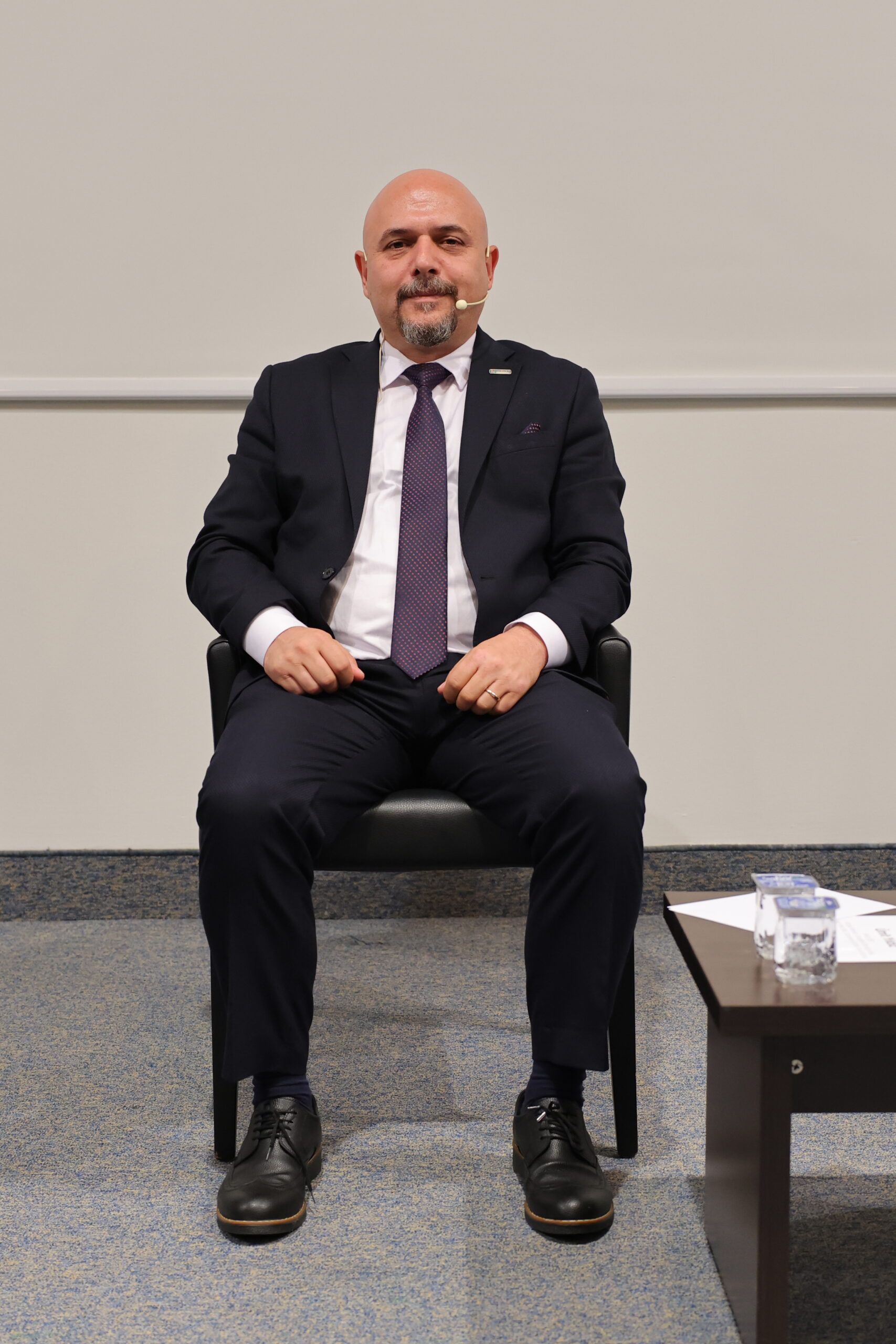
Ümit Yıldız, Emaks Prime / MAKSDER
Ümit Yıldız introduced himself on behalf of Emaks Prime, the Türkiye distributor of Philips Smart Lock Systems, where he is responsible for sales and marketing of accessories and mobile accessory products.
He stated that the door and furniture accessory segments move closely together and that housing market activity is the main determining factor.
He noted that approximately 700,000 housing transactions had taken place up to that point, around 250,000 of which were second-hand properties while the remainder were new homes.
Considering that each home requires one steel entrance door and an average of seven interior doors, he argued that these multipliers provide a clearer indication of overall market volume.
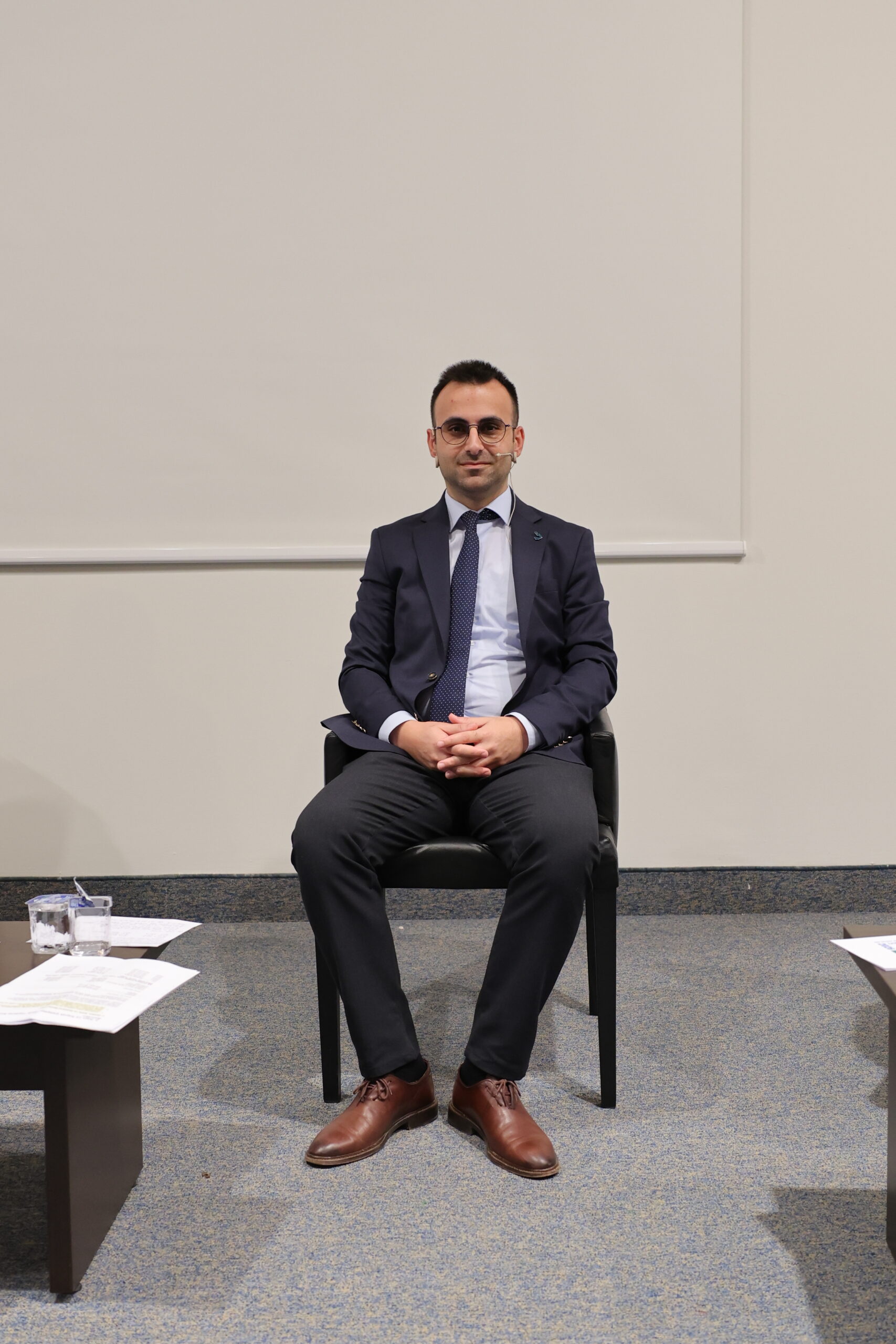
Kadir Kaya, Biesse / AİMSAD
Kadir Kaya introduced himself as a Woodworking Industry Engineer and Technology Application Manager for Biesse Türkiye and the Middle East. He participated in the workshop representing AİMSAD, the Woodworking Machinery Industrialists Association.
He described 2026 as a “selective” year for the industry.
Financing costs and pricing pressure have increased, although urban transformation, reconstruction in the earthquake-affected region and hotel and hospital projects continue to support demand.
He emphasized that the data he shared covered general woodworking machinery sales rather than only machinery used for doors and cabinet fronts because the different categories cannot be separated clearly due to overlaps in customs tariff codes.
He shared the following figures:
- 2025: USD 143 million in exports, USD 107 million in imports, total market volume of USD 250 million
- First seven months of 2026: USD 69 million in exports, USD 63 million in imports, total volume of USD 133 million
- Year-end 2026 projection: USD 228 million, representing an approximately 9 percent contraction compared with the previous year
- Previous years: USD 203 million in 2021, USD 233 million in 2022, a peak of USD 272 million in 2023, USD 251 million in 2024 and USD 250 million in 2025
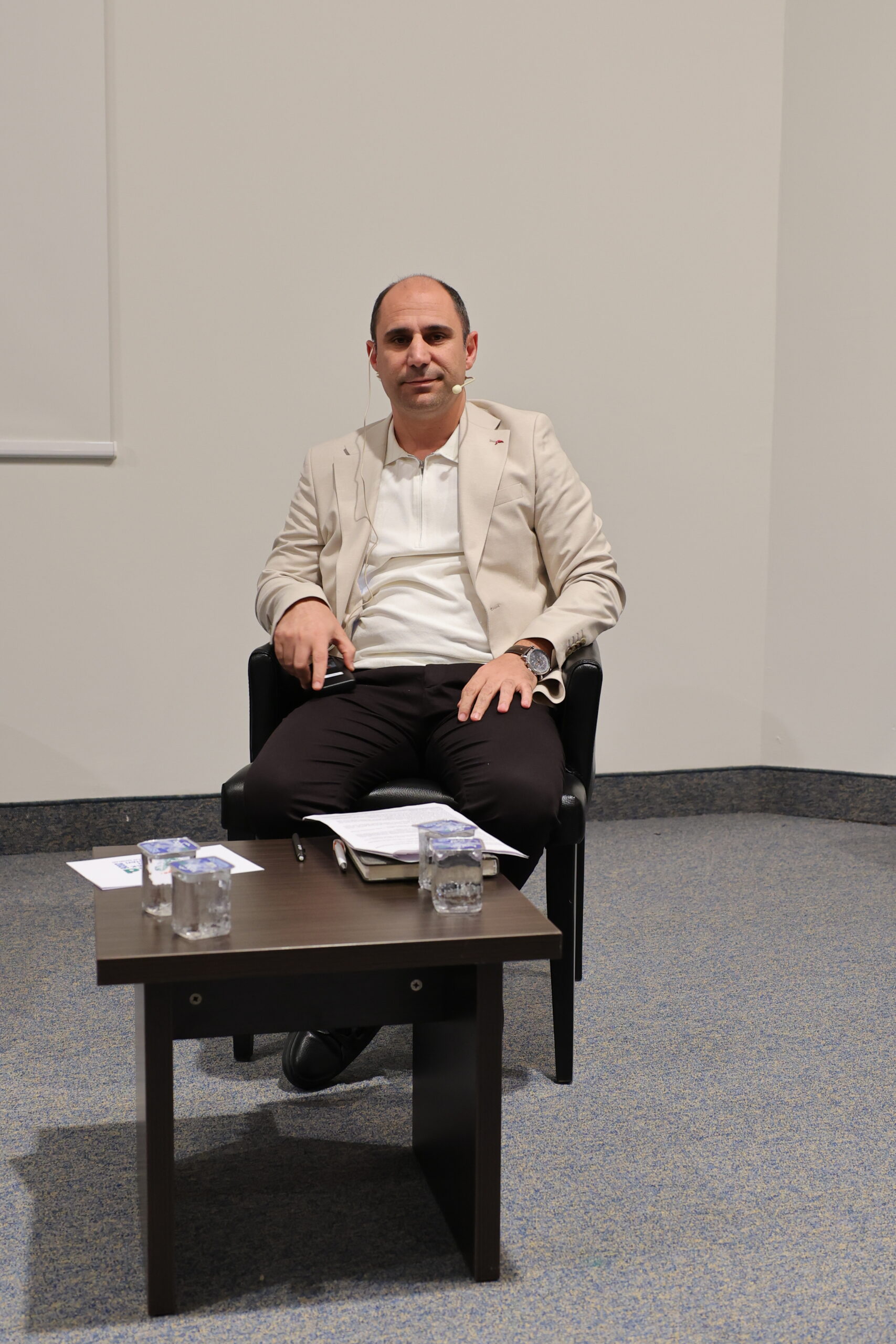
Dr. Selçuk Akbaş, Portakal Plastik / Edge Banding
Dr. Selçuk Akbaş introduced himself as a professional with both academic and industrial experience who has worked directly in door manufacturing and has established and managed factories in Türkiye and abroad.
He explained that edge banding production is Portakal Plastik’s core business.
The company works directly with the door and furniture industries as a partner, particularly through joint production and product development activities with furniture and panel manufacturers.
Second Question
“What are your views on current trends and innovations in the industry?”
Aziz Biçer
Biçer stated that doors and cabinet fronts are no longer merely furniture components. They are becoming integrated systems combining design, user experience, smart technologies and sustainability.
Referring to 2026 Milan design trends, he said technology is becoming less visible and increasingly embedded within ease of use, material performance and sustainability.
He identified the “invisible door” trend as one of the strongest requests coming from architects.
This includes concealed frames, concealed hinges, frameless doors aligned flush with the wall and floor-to-ceiling door systems.
He outlined how the MDF and particleboard industry is responding to this trend:
- Larger, more homogeneous surfaces with tighter tolerances
- Door heights beyond the traditional 2.10-meter standard, including 2.40, 2.70 and even 3-meter solutions
- Greater dimensional stability
- Thin-panel solutions
In cabinet fronts, he highlighted ultra-matte and velvety surfaces, natural stone appearances, vertical groove patterns, brushed surfaces, 3D textures and warm earth tones.
As dark colors such as black and anthracite become more widespread, anti-fingerprint surfaces have shifted from being a “premium extra” to a standard expectation.
He stated that Kastamonu Entegre aims to provide these features without additional cost through product ranges such as Gloss Max/Max Plus for polished surfaces and Evolos/EvSoft for laminated solutions.
Regarding membrane and vacuum technologies, he noted that inexpensive and conventional membrane products still dominate in Türkiye.
He argued that the market needs more realistic wood appearances, deeper textures and soft-touch surfaces.
In sustainability, customers are no longer asking only about certification. They are increasingly questioning the product’s carbon footprint, energy consumption, recycling rate, formaldehyde emissions and EPD, Environmental Product Declaration.
He added that high-performance decorative solutions, acoustic alternatives, fire-resistant core solutions and smart door systems are also among the sector’s major trends.
Mehmet Hacılar
Hacılar stated that minimalist and modern lines are becoming more prominent in architecture and design.
Current trends include:
- Large-format custom doors
- Oversized entrance doors
- Pivot door systems for villas
- Concealed-frame applications
- Wood-metal combinations
- Natural stone surfaces
- Special decorative finishes
He emphasized that demand for certified fire-rated doors has increased following incidents such as hotel fires.
He also noted that smart home integration is increasingly shaping the market.
Examples include Airbnb-style homes, changing hotel concepts and smart locking systems with fingerprint recognition, facial recognition and integrated cameras.
Ümit Yıldız
Yıldız identified “integration” as the central trend in the accessories industry.
Door systems now extend to pivot solutions reaching five to seven meters while smart locks incorporating fingerprint recognition, facial recognition and palm or vein recognition have become a separate business category in their own right.
He described how Internet of Things scenarios are becoming more common, allowing actions such as unlocking a door to automatically activate lighting, air conditioning or curtains.
In sliding and rail systems, functionality, silent operation and durability are key priorities.
In furniture handles and legs, aesthetics and design are becoming increasingly important.
These components are no longer viewed as standard accessories but as integral elements of the furniture itself.
Kadir Kaya
Kaya stated that surface machining is currently one of the most requested areas on the machinery side.
This is particularly evident in custom-patterned milled surfaces produced using five-axis CNC technology, which can be machined much faster than with three-axis systems.
He noted growing demand for integrated machinery capable of machining and sanding flat and grooved surfaces within the same process.
On the digital side, manufacturers are increasingly interested in software integration that allows online orders to be transferred directly into production equipment through CAM files.
There is also increasing demand for connected production lines using handling systems rather than isolated standalone machines.
He also referred to investments in a new MES, Manufacturing Execution System, software platform to be introduced at the upcoming WoodTech fair. The system collects data from all machinery and integrates it with ERP systems.
Dr. Selçuk Akbaş
Akbaş stated that Türkiye lacks a shared data pool for door and cabinet front production.
As a result, companies generally rely on housing sales statistics or their own production figures.
He emphasized the need to establish a common industry data pool.
He also highlighted regional diversity in Türkiye.
Kayseri is particularly strong in steel doors while other regions specialize in melamine, lacquered, composite or solid wood door production.
Regarding trends, he noted a movement toward soft-touch and flat surfaces and a shift in materials from wood-plastic composites toward UPVC formulations.
He reiterated that anti-fingerprint surfaces are no longer considered a luxury but a standard market expectation.
As an example of regional market differences, he noted that public housing specifications in Algeria may allow two or three different door types while specifications in Türkiye tend to favor laminate doors.
In village housing projects, composite doors are increasingly being preferred.
Third Question
“What factors drive new product initiatives, innovation and R&D activities in the industry?”
Aziz Biçer
Biçer identified constantly changing consumer expectations as the most important driver.
Consumers increasingly demand products that are aesthetically appealing, customizable, easy to clean and durable.
He stated that modern architecture and housing trends are increasing demand for minimalist and invisible design solutions.
Urban transformation and earthquake safety are driving demand for high-performance, fire-resistant, acoustic and lightweight panels.
Energy costs and efficiency requirements are encouraging the development of thermally insulated and lightweight panel constructions.
Sustainability and carbon emission measurement are becoming increasingly important.
Volatility in raw material and energy prices is forcing manufacturers to optimize materials and production processes while e-commerce and expectations for rapid delivery are also reshaping the industry.
Biçer emphasized that manufacturers are increasingly differentiating themselves through design, quality, technology and sustainability rather than price alone.
Regulatory requirements such as low formaldehyde emissions, fire resistance, acoustic performance and Environmental Product Declarations are also helping drive the industry forward.
Mehmet Hacılar
Hacılar described changing consumer expectations as a fundamental driver of innovation.
Consumers increasingly expect more than security alone, demanding aesthetics, technology, energy efficiency and ease of use.
He stated that urban transformation projects create significant momentum for the industry.
Digitalization, including smart locks and smart home systems, is another important factor.
Advances in machinery technologies such as robotic systems, laser cutting, automated bending centers and ERP software, combined with rising energy and labor costs and increasingly competitive market conditions, are pushing manufacturers toward more technological and efficient production.
Ümit Yıldız
Yıldız argued that innovation does not begin directly in an R&D laboratory.
Instead, it starts by listening to customers in the field and correctly understanding their needs.
He stated that intensive urban transformation and changing lifestyles in Türkiye are causing consumers to lose interest in older homes more rapidly and focus instead on details in new projects such as mechanisms, sliding systems, smart locks and handles.
Industry representatives can capture innovation only to the extent that they correctly understand this transformation.
Kadir Kaya
Kaya explained that his Technology Application unit visits customers and provides consultancy regarding correct machinery selection and configuration.
He argued that innovation is generally triggered not during periods when orders are abundant but when market conditions become more difficult, when “the water recedes”, creating pressure to develop new products and introduce more flexible and customized production.
He highlighted the shortage of qualified personnel and described a significant disconnect between education institutions and industry.
New graduates often lack the skills required by the sector.
As a result, manufacturers are increasingly turning toward systems that require fewer employees and less dependence on individual operator expertise.
He shared the example of a fire-door production simulation that took 12 minutes under controlled conditions but 18 minutes on the shop floor.
Further investigation revealed that the difference resulted from incorrect tool selection and improper operator methods.
To address such knowledge gaps, he stated that they would organize joint training with a tooling company the following week.
He also described a project bringing industrial companies together with students from Medipol University’s Faculty of Architecture and Fine Arts.
Student designs are manufactured and then evaluated within a competition format.
Dr. Selçuk Akbaş
Akbaş stated that as an edge banding manufacturer, they need to respond to the customer expectations described by Aziz Biçer at the same speed as panel manufacturers.
Due to smaller order quantities, urgent demand and increasing product variety, he considers digitalization, including ERP and MES systems and production monitoring tools, a necessity.
He explained that they are attempting to produce a plastic-based product with the quality and texture of wood and therefore follow surface technologies very closely.
Fourth Question
“What solutions would you propose for the development of the industry?”
Aziz Biçer
Biçer emphasized that for the long-term growth of Türkiye’s door, cabinet front, MDF and particleboard industries, the sector needs to move rapidly from low-cost manufacturing toward high-technology, high-value-added and sustainable production.
He outlined the following recommendations:
- Securing raw materials and supply chains through 5-10 year plans
- Raising sector-wide quality standards using criteria such as dimensional stability, surface durability, scratch and abrasion resistance, color consistency, moisture resistance, formaldehyde emissions, fire performance and acoustic performance
- Replacing unfair price competition with efficient competition focused on reducing total cost while increasing performance
- Supporting R&D and technology investments
- Viewing urban transformation not merely as housing renewal but as an opportunity to improve energy efficiency, fire safety, acoustic comfort and smart home infrastructure
- Developing an export strategy focused on added value rather than tonnage
- Treating sustainability as a competitive strategy rather than a cost
He summarized the practices that should definitely be avoided as follows:
- Competing solely on low prices
- Unplanned raw material consumption
- Dependence on a single market
- Delaying technology investments
- Treating sustainability only as a communication message
- Non-standard and unregistered production
Mehmet Hacılar
Hacılar stated that KAPSIAD regularly organizes consultation meetings through professional committees within the Kayseri Chamber of Industry and Chamber of Commerce.
His main recommendations included:
- Effective implementation of standards and preventing low-quality or non-compliant products from entering the market
- Increasing export support
- Providing additional incentives for companies producing high-value-added products
- Supporting R&D investment
- Expanding university-industry cooperation
- Strengthening vocational education to address the shortage of qualified technical personnel
- Encouraging digital transformation and automation investments
Practices to be avoided include tolerating products focused only on low price, neglecting branding, resisting change, failing to invest in trends such as aluminum doors already common in Europe, damaging industry reputation for short-term gains and allowing unregistered production and unfair competition.
Ümit Yıldız
Yıldız listed standardization, continuity in quality, qualified human resources, after-sales service, data, branding and sustainability as the most important priorities for industry development.
He emphasized that the common denominator behind all of these is qualified human capital.
He predicted that artificial intelligence will not take people’s jobs but that “people who know how to use artificial intelligence will replace those who do not.”
He stressed that excessive price competition eventually forces companies to compromise on quality and lose control of their processes.
Addressing younger workers, he emphasized the importance of gaining internship and professional experience while still studying.
He argued that a company’s most valuable capital is not its factory or cash reserves but its qualified workforce.
Kadir Kaya
Kaya emphasized that R&D should not be understood only as product development.
It covers the entire range of a company’s capabilities, including sales.
He stated that many manufacturing facilities in Türkiye operate with isolated machines and relatively low capacity utilization, around 50-60 percent.
When accurate production data is collected, actual effective capacity can be far lower than assumed.
He reiterated that the shortage of qualified intermediate personnel causes the industry to rely heavily on trial-and-error learning.
To address this gap, he again referred to the training program planned with a tooling company.
Dr. Selçuk Akbaş
Based on his observations of more than 20 manufacturers at the trade fair, Akbaş argued that Türkiye has a strong competitive position in edge banding and panel production, particularly compared with Chinese manufacturers, because of its quality levels and proximity to key markets.
He gave the example of door leaf production.
A conventional setup using standalone machinery may require around 60 employees.
When the same operation is converted into an automated and robotic production line, the workforce requirement can fall to approximately 12-15 employees.
According to TÜİK data, labor costs increased by approximately 37 percent between 2016 and 2026.
He argued that manufacturers therefore need to make their production workflows more competitive.
He cited companies such as Kastamonu Entegre, Starwood and Yıldız Entegre as examples of panel producers that invested at the right time and developed the ability to compete globally.
Fifth Question
“What strategic steps do you foresee for increasing Türkiye’s exports of doors and cabinet fronts and strengthening its competitiveness in global markets?”
Aziz Biçer
Biçer emphasized that Türkiye needs to shift from positioning itself as a low-cost producer toward becoming a fast and high-value-added manufacturer.
He argued that competing with China and the Far East purely on price is not sustainable.
Türkiye’s advantage of short delivery times to Europe can be combined with low minimum order quantities, rapid sample development and broad design and décor variety.
This can create a value proposition based not on being “cheaper” but on being “faster, more flexible, more design-oriented and more sustainable.”
He argued that Europe’s nearshoring opportunity should be pursued aggressively.
The goal should not only be to sell more to existing customers but also to redirect supply chains that European manufacturers have lost to the Far East toward Türkiye.
He highlighted concrete expectations such as producing samples within 48-72 hours and shipping within two to four weeks.
Biçer recommended market-specific strategies:
- Europe: sustainable, minimalist and technical products supported by low-formaldehyde performance, EPD and EUDR compliance
- Middle East: premium, oversized and visually distinctive architectural doors
- United States: performance-driven products, compliance with fire and acoustic standards, local inventory and strong distributor networks
He stated that the architect channel is not used sufficiently in Türkiye and needs to be developed further.
Export incentives should also support not only direct sales but broader market-development activities such as international certification, showrooms, overseas warehouses, architectural and brand promotion and after-sales technical services.
He emphasized that Kastamonu Entegre’s export strategy is not limited to selling MDF or particleboard but aims to capture a larger share of the added value generated in the final products manufactured from those materials.
Mehmet Hacılar
Hacılar stated that the Turkish steel door industry ranks approximately eighth globally in exports with around USD 350 million.
With its manufacturing capacity, engineering capabilities, skilled workforce and export experience, Türkiye has the potential to capture a larger share of global markets.
To achieve this, he argued that the industry must continue investing in quality, branding, R&D, digitalization and international competitiveness.
He emphasized that Türkiye should export not simply a “door” but a “design and lifestyle concept.”
Products should be developed specifically for individual markets:
- Energy-efficient and certified doors for Europe
- Large, luxury and custom-sized doors for Gulf countries
- High-security doors meeting specialized standards for the US market
He referred to a KAPSIAD trade delegation visit to Mexico and Brazil.
They observed that relatively insecure Chinese-made doors were being sold at high prices in those markets while Turkish manufacturers had almost no presence.
He therefore emphasized the importance of market diversification beyond the Middle East, Balkans and Africa.
As another example, he referred to the KAPEX door fair organized in Kayseri, now in its fourth edition and having gained international status.
The event brings qualified sectoral buyers to Türkiye.
He also stressed the need to improve government support for logistics and financing.
Ümit Yıldız
Yıldız emphasized that Türkiye’s manufacturing strength is an important advantage.
However, the real objective should not be simply “producing more” but “producing qualified, high-value-added products.”
Customers no longer purchase only on price. They increasingly purchase “trust.”
Companies unable to maintain consistency ultimately lose this trust.
He also emphasized the need for qualified sales and marketing personnel capable of offering different products to different markets.
Using the expression “a roaming fox is better than a sleeping lion,” he stressed that every market should be evaluated as a potential opportunity.
Kadir Kaya
Kaya stated that manufacturers often equate growth with “a larger factory floor.”
In reality, the greater bottleneck is often a production system dependent on standalone machinery and individual operators, particularly because of difficulties in running night shifts and finding skilled workers.
He described how investors visiting European factories are often surprised to see much smaller facilities operating with machinery that may be 20 to 60 years old yet achieve high productivity through full automation and very limited staffing.
As an example, he stated that an angular cutting line may process 500-700 panels per day with a team of ten employees.
At the same time, an automated CNC machine introduced in Türkiye, capable of loading and unloading itself, attracted little interest because manufacturers evaluated performance only according to the duration of an individual machining cycle while overlooking continuous productivity across an entire shift.
He emphasized that competitiveness should not be pursued simply by increasing floor space.
Instead, existing space should be used with the minimum number of qualified employees, minimal errors and maximum operating time through flexible production lines suited to short-run and customized manufacturing.
Dr. Selçuk Akbaş
Akbaş stated that Far Eastern manufacturers currently remain behind in the edge banding industry in terms of rapid order response and quality.
He noted that Portakal Plastik can respond quickly thanks to a digital surface scanning technology available in only a few locations worldwide.
He described the door sector as a complex product ecosystem incorporating many different components, from accessories and panels to edge banding and profiles.
Turkish manufacturers are already capable of exporting as far as the United States.
However, he emphasized that further progress is still needed in quality, sustainability and repeatability.
Rapidly understanding country-specific dimensions and surface requirements creates a significant competitive advantage.
He also stressed that the quality of every component within a door, including adhesives, affects overall product performance.
As an example, he described a furniture export shipment in which the entire consignment had to be cancelled because the temperature inside the shipping container had not been taken into account and a single adhesive failed under those conditions.
Closing
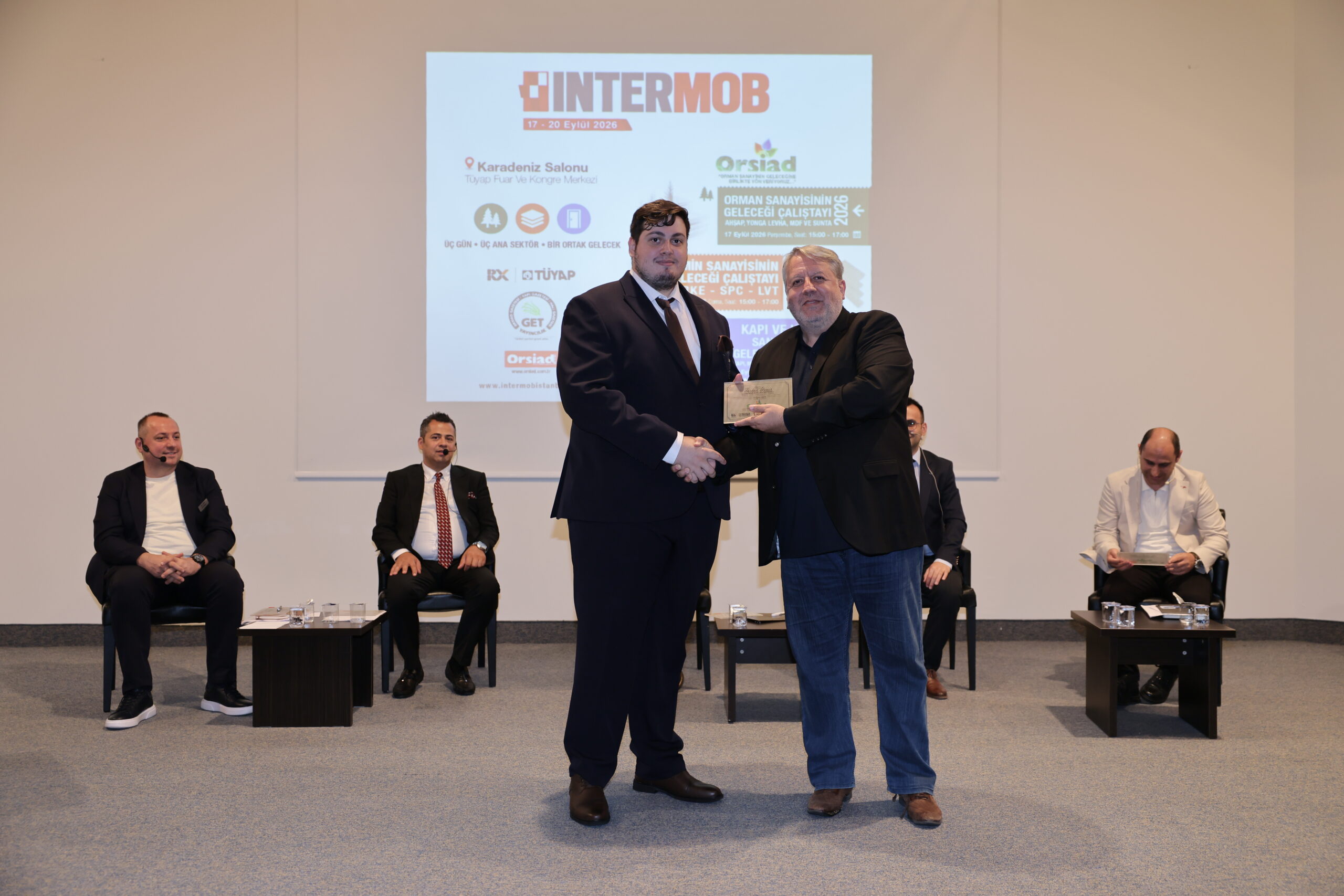
The moderator thanked all speakers for their contributions and invited Fikret Demir, Founder of ORSİAD Newspaper, to the stage for the plaque presentation ceremony.
Plaques were presented respectively to Aziz Biçer, Mehmet Hacılar, Ümit Yıldız, Kadir Kaya and Dr. Selçuk Akbaş.
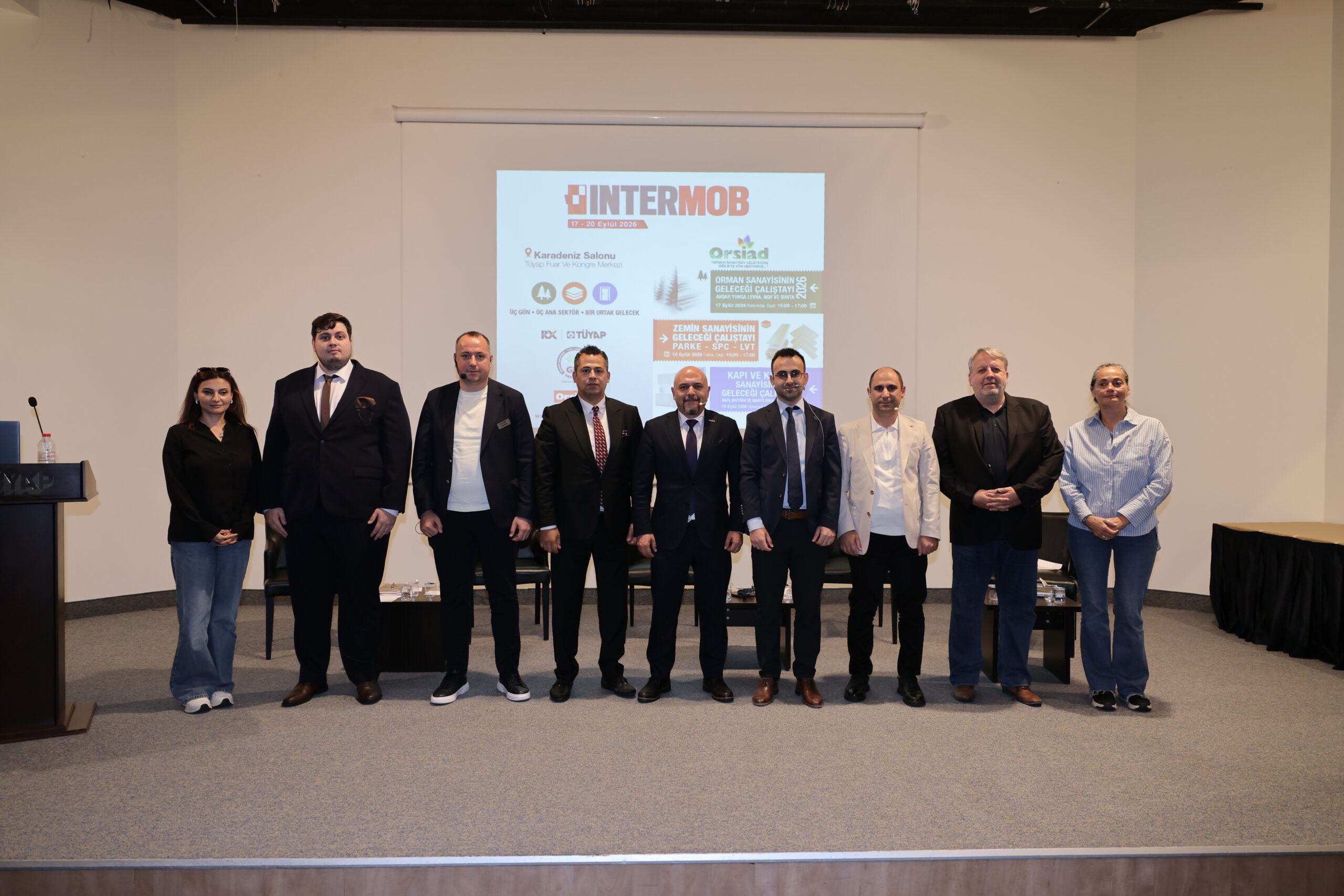
The program concluded following a group photograph.