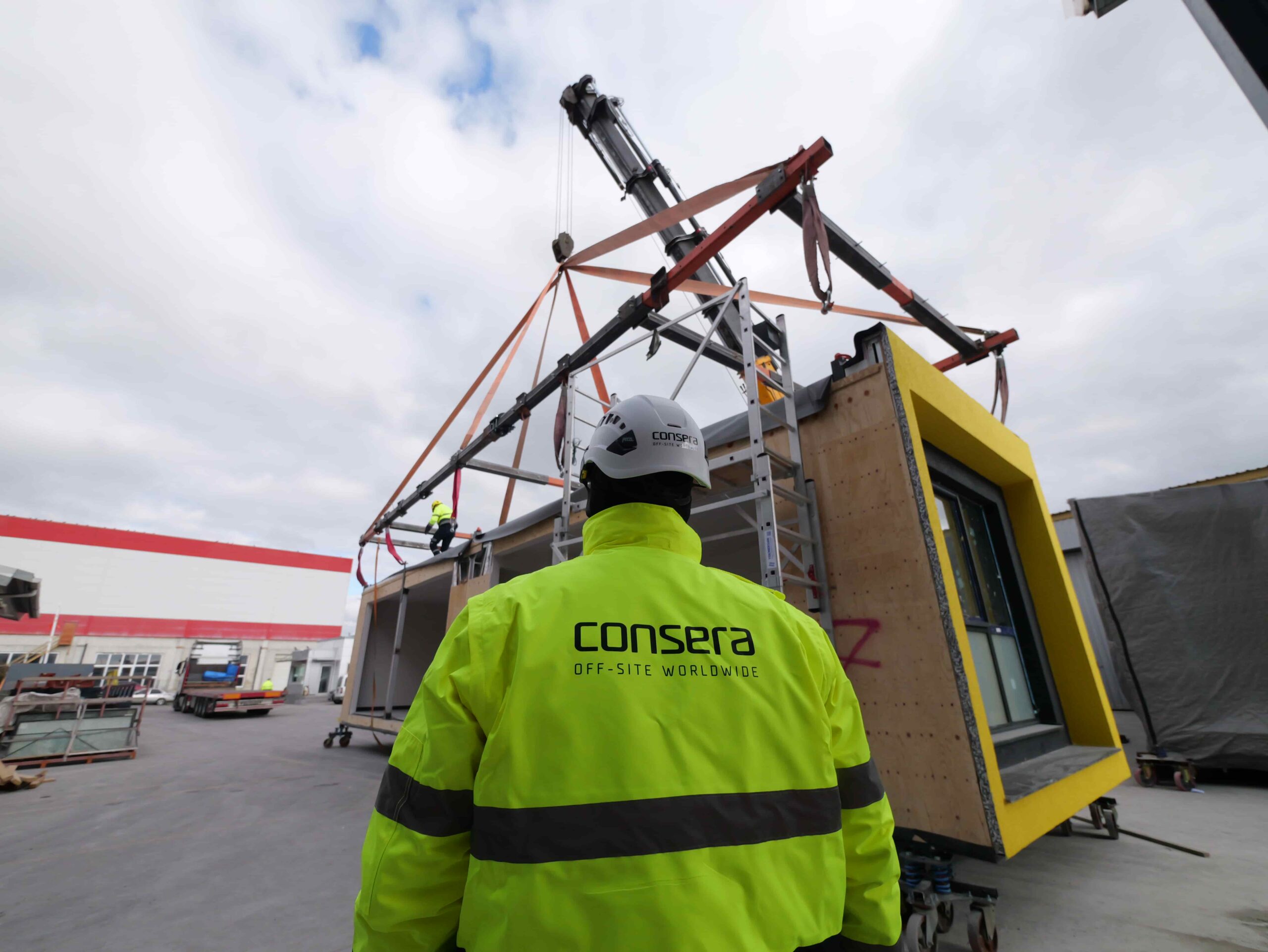
Finding qualified tradespeople has become increasingly difficult today—even developing and least-developed countries are experiencing serious shortages. Melih Şimşek, Founder of Consera and Vice Chairman of the Turkish Structural Steel Association (TUCSA), said, “As we saw after the Kahramanmaraş earthquake, even when all resources are available, finding labor is a major problem. The scarcity of skilled personnel is also pushing labor costs up. In parallel, the construction industry is undergoing a transformation. Buildings are now viewed as products, and among modern construction methods, modular solutions stand out. Using only modular bathroom and kitchen pods in a project can reduce total costs by 20%.”
With the pipeline of skilled workers failing to keep pace, it’s expected to become even harder to find qualified trades in the near future—further inflating labor costs and accelerating the sector’s shift in methods.
Modular systems cut costs by 20%
Highlighting how difficult it has become to shoulder labor expenses on large-scale projects, Şimşek said: “For even small bathroom or kitchen builds, you typically need an 8–10 person crew made up of multiple specialties working in pairs, which further drives costs. As a result, modular construction is gaining preference. In a project, using modular bathroom and kitchen pods alone can lower the total cost by 20%. This approach keeps both operations and budgets under tighter control. While round-the-clock shifts aren’t feasible on active jobsites, modular units can be produced 24/7 in a factory environment.”
Shortens schedules by up to 40%
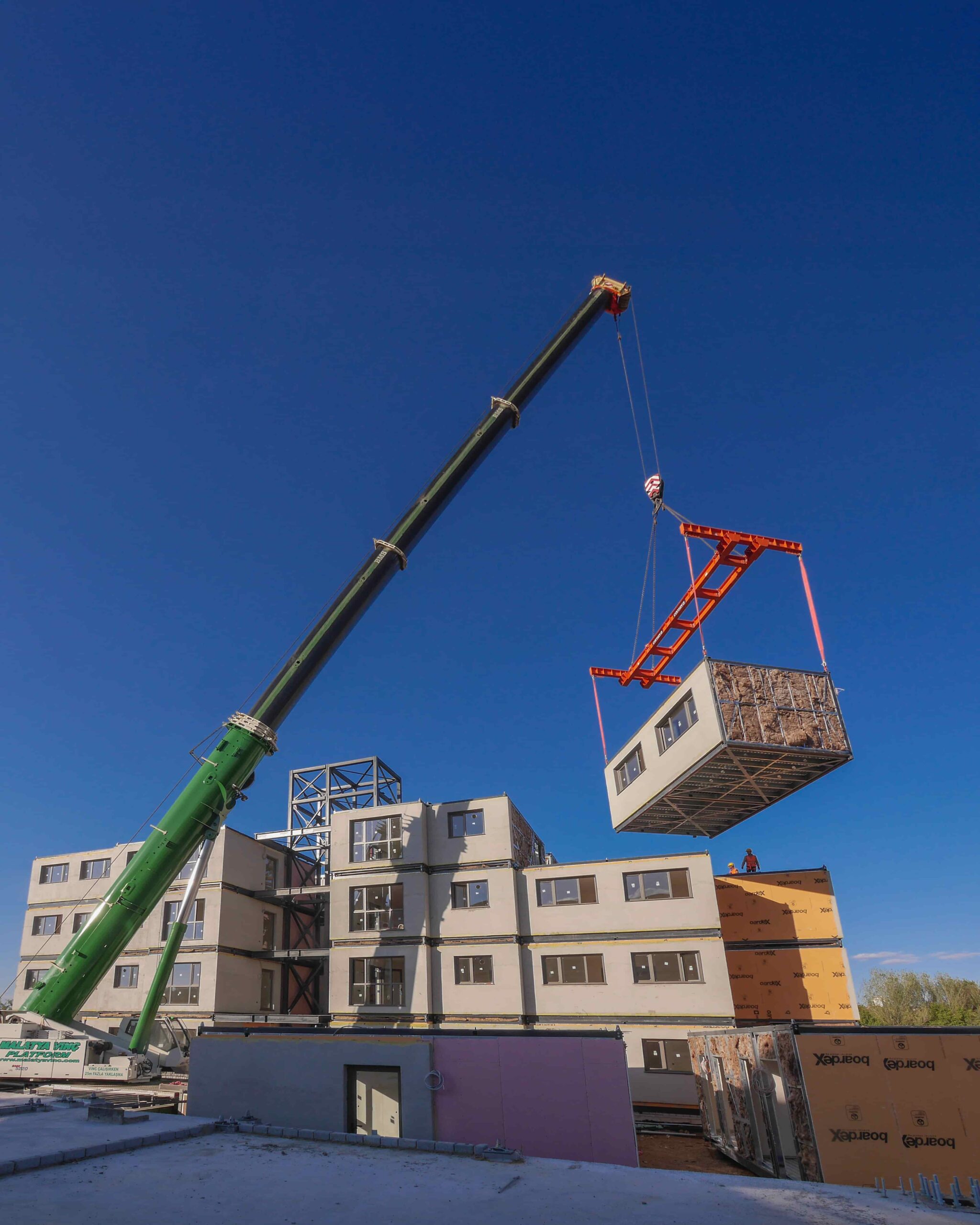
Unlike traditional methods, modular construction involves manufacturing two- or three-dimensional modules in factories and assembling them on site. This accelerates project timelines while reducing labor needs. By running planning, design, and installation in parallel, modular techniques can shorten overall schedules by up to 40% compared to conventional approaches.
Industrialized and modular building systems deliver numerous advantages. They help prevent unforeseen cost overruns and, because most work occurs under factory conditions, they minimize weather-related delays and surprise expenses. Off-site construction also eliminates many human-error risks typically encountered on site. Beyond that, modular buildings contribute positively to building physics—most notably energy efficiency. Research indicates the global modular construction market could reach a value of USD 1.1 trillion by 2040, growing 6–10% annually.
Scaling modular methods can create significant employment
Emphasizing the economic stakes of resilient construction, Şimşek noted: “Constructing buildings that won’t collapse in earthquakes prevents not only loss of life and property but also major economic damage. To produce 300,000 homes in a single year, we need 2 million tons of structural steel. Our national capacity is 50 million tons. Meeting this production would require approximately 72,000 blue-collar workers—meaning substantial job creation. Türkiye already has the steel capacity to meet these needs. The public sector also has a vital role to play by encouraging the development and use of steel structures.”