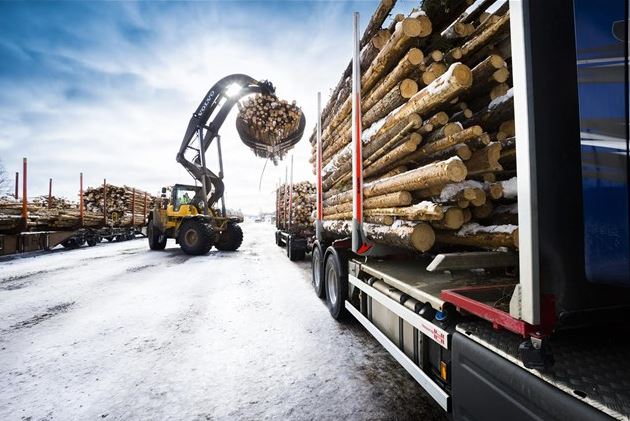
Timber markets across Europe delivered a mixed picture in March 2026, with softwood log prices declining in Norway, coniferous logs rising in Lithuania and timber prices in Finland showing signs of both stabilization and continued weakness. At the same time, Germany posted stronger construction order data, offering a more positive signal for demand in the wider building sector.
In Lithuania, coniferous log prices increased in March compared with the previous month, while birch logs became noticeably cheaper. Compared with the same month last year, coniferous logs were significantly more expensive overall, underlining the stronger longer-term movement in that segment despite the shorter-term divergence between species.
Norway, by contrast, saw clear downward pressure in the softwood log market. In March 2026, softwood log prices fell significantly to sharply compared with the same month a year earlier, while hardwood log prices moved strongly upward. On a month-to-month basis, spruce prices were almost unchanged, whereas pine prices declined.
In Germany, the latest construction data pointed to renewed momentum. In February 2026, real calendar-adjusted order intake rose by 7.6% compared with the previous month. Compared with February 2025, real calendar-adjusted orders were up 9.8%, suggesting an improvement in construction-related activity.
Finland showed a more nuanced trend. After a steep fall in industrial timber prices in the second half of 2025, prices for spruce and hardwood appear to be stabilizing in the first quarter of 2026. Pine, however, continued to weaken, falling by a further 2% between January and March.
At the same time, Finland’s log market remained under pressure on a year-on-year basis. In March 2026, log prices were down 5% to 8% compared with the same month last year. Compared with the previous month, however, spruce and pine prices recorded modest gains of 1% and 5% respectively, while birch prices slipped by 1%.
Overall, the latest figures suggest that European log markets remain highly fragmented, with pricing trends continuing to vary by country, species and end-use demand.