As the criteria that determine value in real estate become more diverse, transportation connections, technological infrastructure, sustainability performance and elements that support quality of life are becoming more influential in today’s investment decisions. In regions where major transportation projects are located, value increases can reach up to 50 percent, while sustainability-certified projects are traded at values up to 15 percent higher than comparable projects. In ESG-compliant projects, rental income can increase by up to 18 percent, while total value growth in infrastructure-oriented regions can exceed fourfold. Hise Global Co-Founder Ebru Öz points out that projects shaped around transit-oriented development, smart building technologies and sustainability will stand out even more in the sector over the next five years.
The criteria that determine value in real estate have diversified significantly in recent years. While location, once considered the strongest investment indicator, maintains its importance, transportation connections, technological infrastructure, sustainability performance and elements that support quality of life have begun to carry increasing weight in investment decisions. Investors now evaluate not only the current location of a project, but also the development potential of the region, its energy efficiency, smart building technologies and its capacity to generate long-term value. This transformation is reshaping not only investment decisions, but also project development processes and investor profiles. Infrastructure investments, which have gained momentum on a global scale, are becoming increasingly prominent among the determining factors in real estate valuation. According to Global Infrastructure Outlook data, global infrastructure needs are expected to reach approximately 94 trillion dollars by 2040.

The Value of Real Estate Around Main Transportation Lines Has Increased by Up to 50 Percent
Drawing attention to the transformation in the perception of value in real estate, Hise Global Co-Founder Ebru Öz made the following assessment: “In the past, project value was shaped largely by location and short-term sales potential. Today, investors go beyond the question of ‘where’ and ask ‘what kind of value will it create in the future?’ With this change, infrastructure investments, transportation connections, environmental quality and regional development plans have become much more decisive. For example, when a metro line, a new transportation axis or a large-scale public investment is introduced in a region, these developments not only make transportation easier, but also create an effect that transforms the entire area. According to OECD data, real estate around main transportation lines can see value increases of up to 50 percent. The rise in housing prices by up to 40 percent in areas of İstanbul where new metro lines pass is one of the most concrete examples of this effect.”
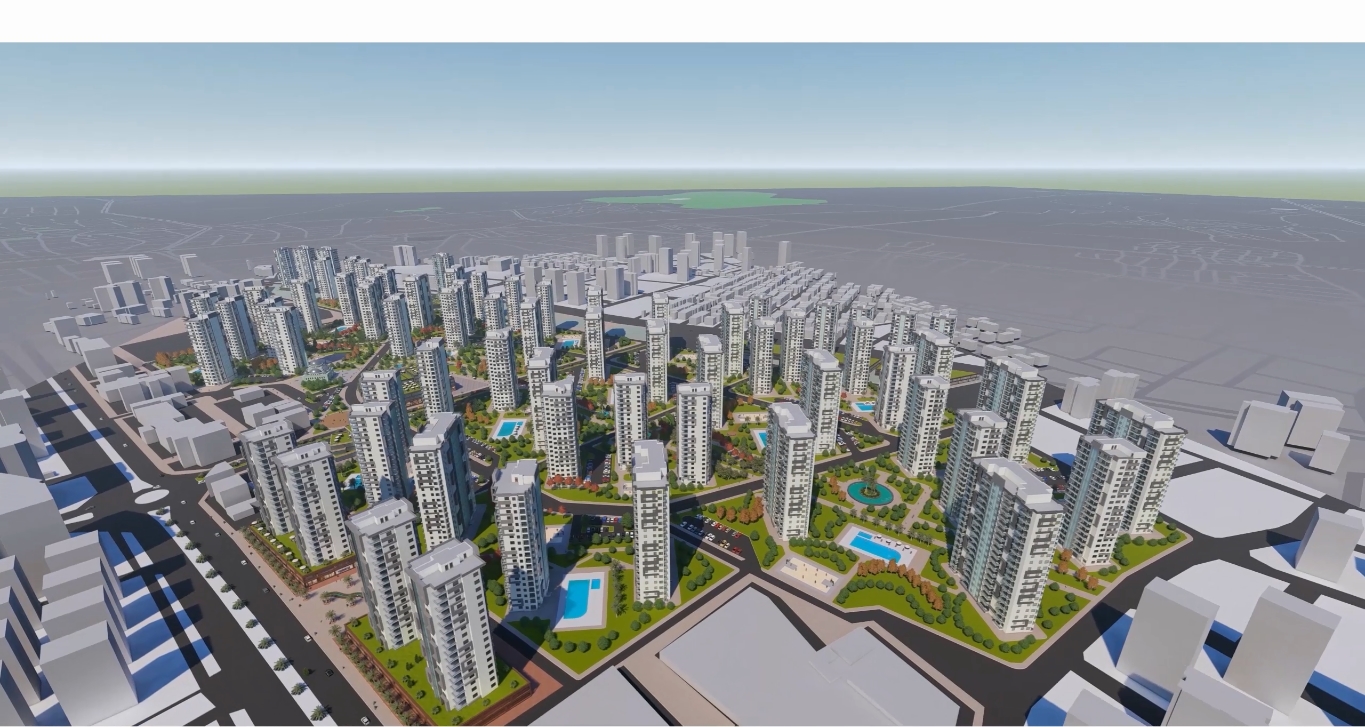
“Investor Focus Is Shifting from Short-Term Gains to Sustainable and Balanced Returns”
Öz also drew attention to the change in investor behavior and said, “Today, investment decisions are shaped around three main axes: liquidity in the short term, regular rental income in the medium term and value preservation in the long term, in addition to the expectation of value appreciation. This approach shows that investors are acting with a portfolio management perspective rather than focusing on individual opportunities. In the past, investors acted with the expectation of rapid value growth, while today a more balanced approach stands out. Investors are turning from the pursuit of ‘maximum return’ toward ‘optimum return.’ In strong projects, real annual value increases of up to 15 percent can be achieved, while projects with sustainability certificates are traded at values 15 percent higher. ESG-compliant projects are seen to increase rental income by up to 18 percent and asset values by up to 12 percent. In some infrastructure-oriented regions, total value growth can exceed fourfold.”
Emphasizing that energy efficiency, smart building technologies and sustainability criteria have moved to the center of investment decisions, Ebru Öz said that sustainability-certified projects in Europe are traded at values up to 15 percent higher. Öz stated: “Demand is no longer growing on a quantity basis, but on a quality basis. In the next few years, transit-oriented development, TOD, sustainability, smart building technologies, mixed-use projects and concepts focused on health and quality of life will become much more decisive. IoT-based systems and digitalization will increase the operational efficiency of projects and will also become an important preference factor for investors.”