

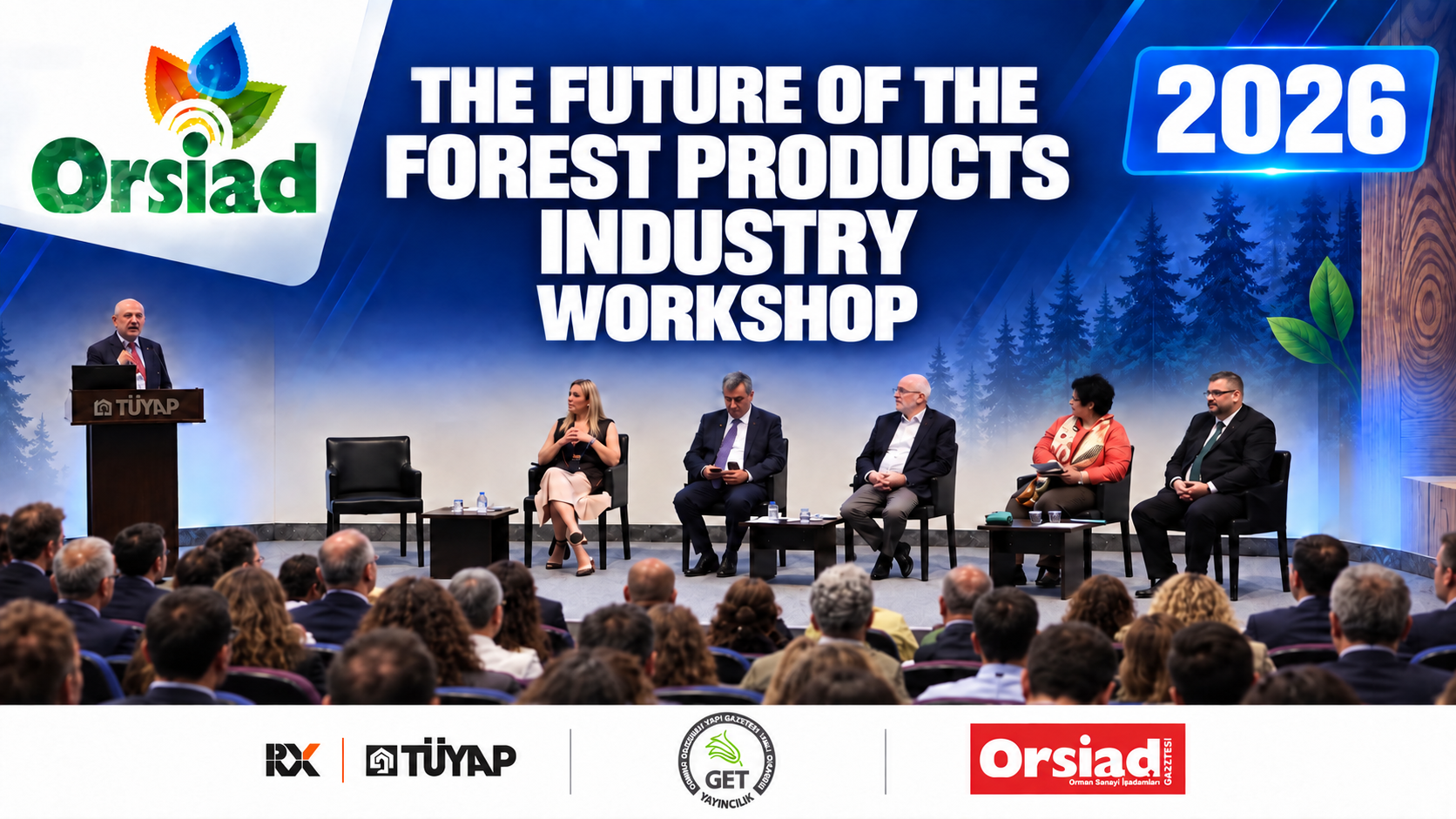
Wood, Particleboard, MDF and Chipboard
Organized by: ORSİAD Newspaper
Date: Thursday, September 17, 2026, 15:00 – 17:00
Venue: Karadeniz Hall, TÜYAP Fair and Congress Center, Büyükçekmece, Istanbul
Speakers
- Bülent Güneş – General Directorate of Forestry, OGM, Deputy Head of the Operations and Marketing Department
- Tevfik Dedebaş – YOMSAD, MDF and Particleboard Industrialists Association
- Fatma Taycı – FSC Türkiye, Forest Stewardship Council
- M. Celalettin Akça – UAB, National Wood Association, Chairman of the Board
- Dr. Demet Sürücü – Bahçeşehir University, Founding Director of the Wood Construction Application and Research Center
- Naci Güngör – Alim Group, Marketing Director
Opening
The moderator welcomed the speakers and audience to the workshop. Before the official opening of the program, a moment of silence was observed in memory of Türkiye’s martyrs and veterans, followed by the Turkish National Anthem.
Following the moment of silence and the anthem, the moderator outlined the format of the workshop. Each question would first be addressed to Tevfik Dedebaş, representing YOMSAD. The same question would then be answered by the other speakers in sequence, with OGM representative Bülent Güneş speaking last to conclude each round. The discussion would proceed in this order before moving on to the next question.
The moderator gave the floor first to Tevfik Dedebaş and invited him to introduce himself and the institution he represented.
First Question
“What are your expectations for production, capacity utilization rates and domestic market demand in the final quarter of 2026 and throughout 2027?”
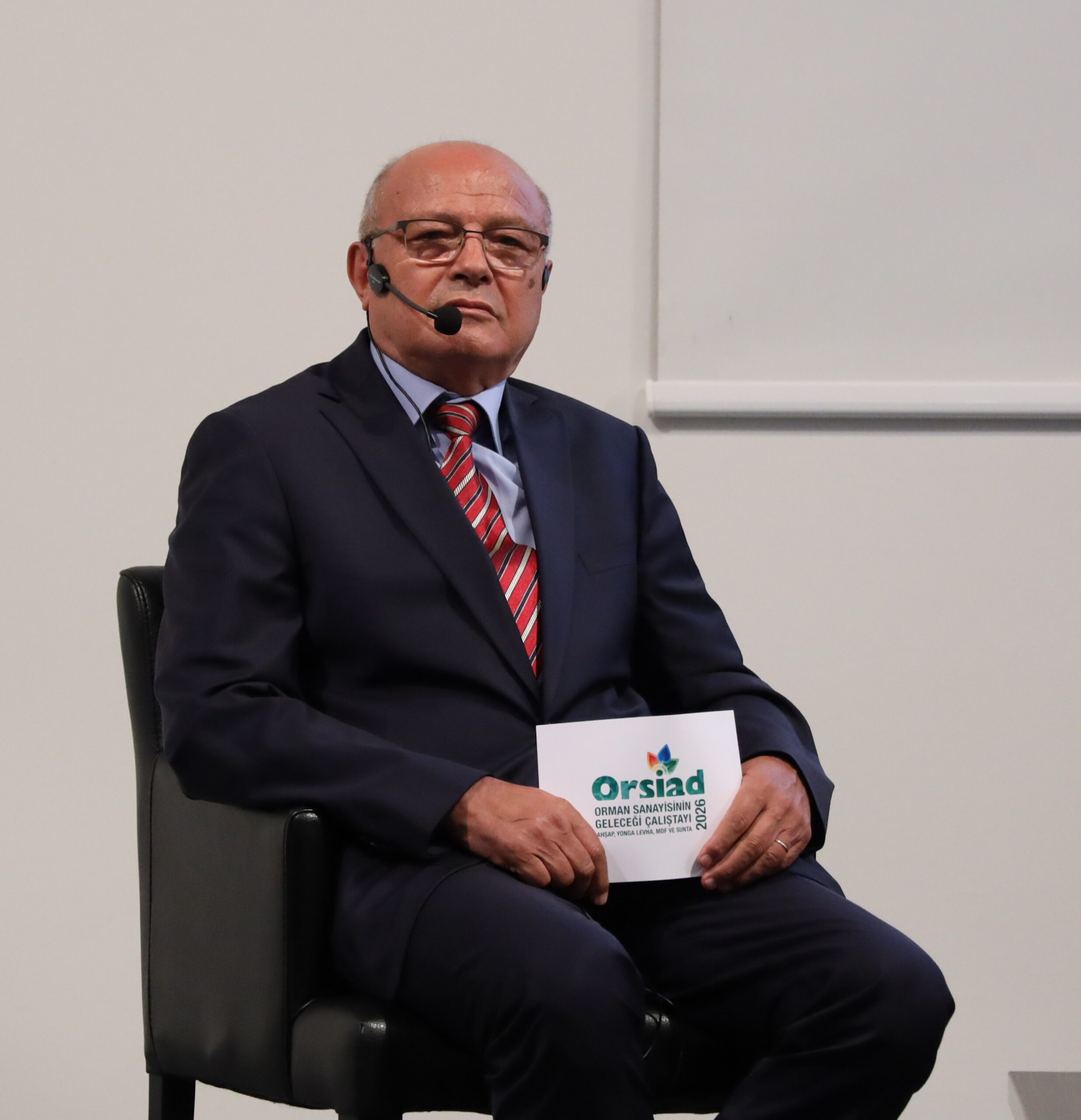
Tevfik Dedebaş, YOMSAD
Presentation Content:
Dedebaş introduced himself as a senior forest engineer. He stated that he graduated from Istanbul University Faculty of Forestry in 1975, worked in the public sector for 30 years and has been active in the industry for the past 22 years, including the last two years at Kastamonu Entegre. He also serves as both a board member and an advisor at YOMSAD.
Before addressing the question directly, he said he wanted to present an overall picture of the industry and continued his remarks with a presentation.
There are approximately 4 billion hectares of forest worldwide. The countries with the largest forest areas include the Russian Federation with 815 million hectares, Brazil with approximately 500 million hectares, Canada with around 350 million hectares, the United States with approximately 300 million hectares and China with 220 million hectares. Türkiye’s forest area is approximately 23.4 million hectares.
According to FAO’s 2024 data, annual global wood production is close to 2 billion cubic meters. By region, Europe including Russia leads with 591 million m³, followed by Asia-Pacific with 545 million m³, North America including Canada with 434 million m³, Latin America with 307 million m³ and Africa with 79 million m³.
The five largest producing countries are the United States with 319 million m³, Russia with 210 million m³, China with 202 million m³, Brazil with 190 million m³ and Canada with 110 million m³. Together, these five countries account for half of global production.
Global trade in the forest products industry represents approximately USD 486 billion in exports. Paper ranks first with around USD 190 billion, followed by wood products at USD 156 billion, furniture and solid wood furniture at USD 95 billion and other sectors at USD 45 billion.
China is by far the leading exporting country, followed by Brazil, Sweden, Vietnam and Poland. Dedebaş drew particular attention to Vietnam’s rise in recent years, noting that its export potential, which stood at around USD 7 billion only seven or eight years ago, has now exceeded USD 20 billion.
In Türkiye, the General Directorate of Forestry, OGM, has approximately 32-34 million m³ of marked standing timber and produces around 25 million m³ of industrial wood. OGM’s revolving fund sales revenue was approximately TRY 75-80 billion in 2025 and is expected to exceed TRY 90 billion this year.
Dedebaş noted that there is no official or anonymous comprehensive study documenting Türkiye’s installed capacity inventory and that exact figures are available only for the MDF and particleboard industries. Other figures have been compiled from industry stakeholders.
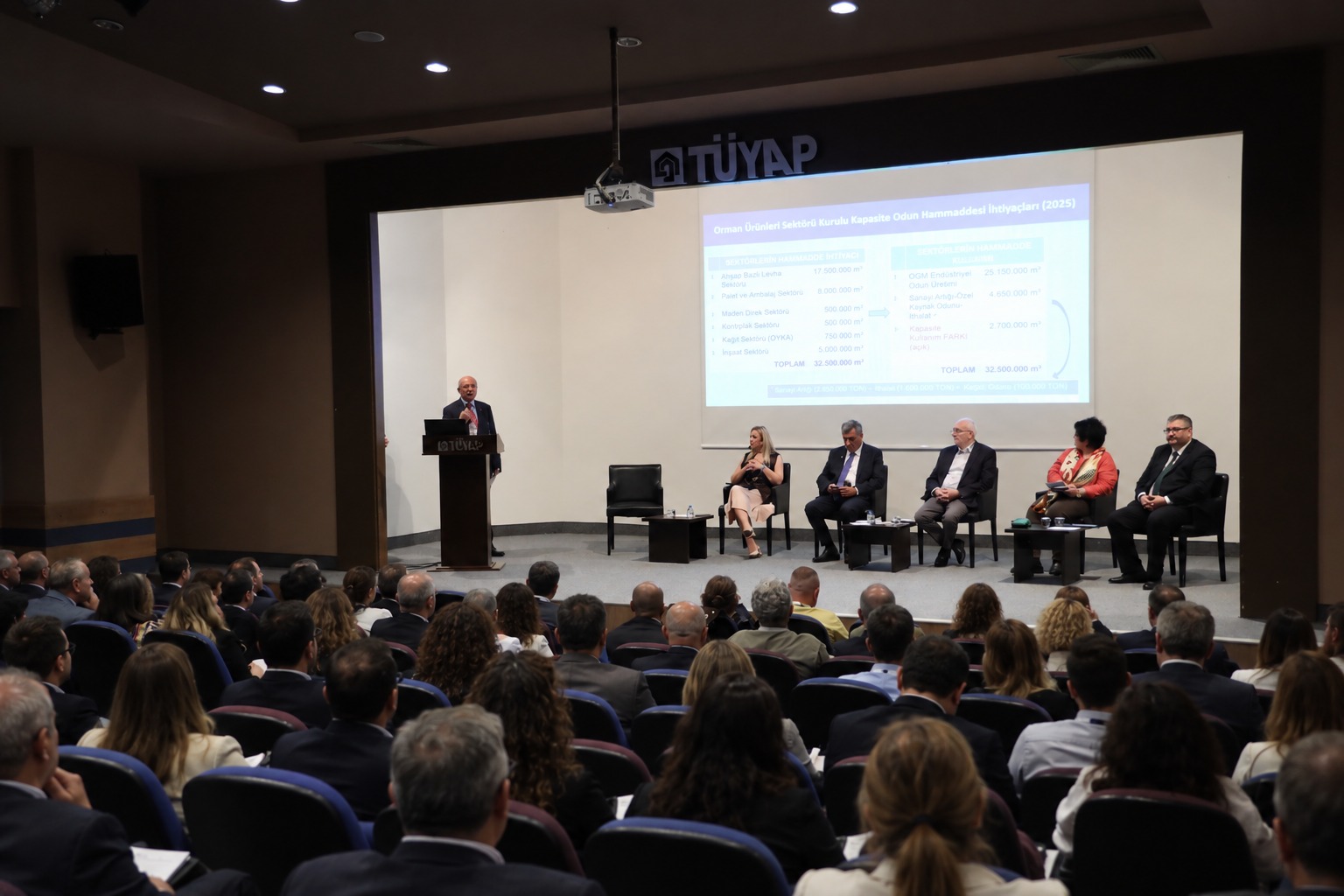
Accordingly, the wood-based panel industry requires approximately 17.5 million m³ of raw material, the pallet and packaging industry 8 million m³, the mining timber sector 500,000 m³, the plywood industry approximately 500,000 m³, the paper industry 750,000 m³ and the construction industry 5 million m³. Total demand therefore stands at approximately 32.5 million m³.
In addition to raw material supplied by OGM, private-sector poplar production and imports of approximately 1 million tonnes also contribute to meeting this demand. When all sources are combined, a deficit of approximately 2.7 million m³ emerges. However, Dedebaş stated that the industry is currently operating at around 80-85 percent capacity utilization, meaning this deficit has not yet developed into a significant problem.
He highlighted two issues in particular.
The first was the use of recycled material. He stated that Europe has fully embraced recycling while Türkiye, particularly its particleboard factories, needs to make more effective use of recycled material. Under the current regulatory framework, biomass facilities consume more than 2 million tonnes of wood annually through combustion. He stressed that the time for regulatory intervention in this area was already overdue and linked the issue directly to the climate agenda, including the Paris Agreement and COP31.
He stated that the industry, including furniture, exceeds USD 21 billion in size and generates more than USD 6 billion in exports, making it one of the relatively few sectors in Türkiye that produces a trade surplus.
Globally, MDF and particleboard/OSB production together represent a market of approximately 215 million m³. Türkiye ranks among the world’s top five producers of particleboard and second in MDF production after China.
Global flooring production stands at approximately 880 million m². Türkiye accounts for around 13 percent of this production and approximately 17 percent when overseas subsidiaries are included.
Dedebaş stated that while Türkiye previously met 15-20 percent of its panel demand through imports, it has now reached a point where it exports 25-30 percent of its requirements, generating a trade surplus of approximately USD 5 billion.
OGM’s wood production, which stood at around 7 million m³ in the 2000s, has now reached 25 million m³. Raw material supply is obtained from five principal sources: facilities, other purchases from OGM, waste and sawdust, poplar wood and imports.
Referring to the carbon storage capacity of forests, Dedebaş stated that 1 m³ of wood stores approximately one tonne of carbon while materials such as aluminum and steel do not have the same characteristic. For this reason, he emphasized that wood is a strategic material in achieving the 2053 carbon-neutral target associated with the Paris Climate Agreement.
As an example, he shared an image of the seven-century-old Eşrefoğlu Mosque in Konya.
Finally, he addressed raw material costs. He stated that while nationwide inflation stood at 64 percent in 2022, wood prices increased by 189 percent, negatively affecting export markets.
He reported that wood costs in Türkiye exceed EUR 100, compared with EUR 27 in Russia, EUR 40 in the United States, EUR 68 in Germany and EUR 56 in Austria, citing an international reporting source.
Using Indonesia as an example, he explained that the total cost of producing a panel, including energy, chemicals, personnel, raw materials and other items, is EUR 46. In Türkiye, by comparison, the cost of wood alone can reach EUR 107.
He therefore defined the question “How are we supposed to compete with our rivals under these conditions?” as one of the fundamental issues that the industry and OGM need to address together.
He also compared Türkiye with Germany at EUR 122, France at EUR 142 and Poland at EUR 123, noting that Türkiye’s wood cost of EUR 107 remains extremely high relative to its competitors. He said a similar situation exists in MDF, where the total panel cost is around EUR 222 while wood alone costs EUR 114 in Türkiye compared with EUR 55 in Russia.
He concluded his remarks by saying:
“Our situation is not very bad, but we can do better.”
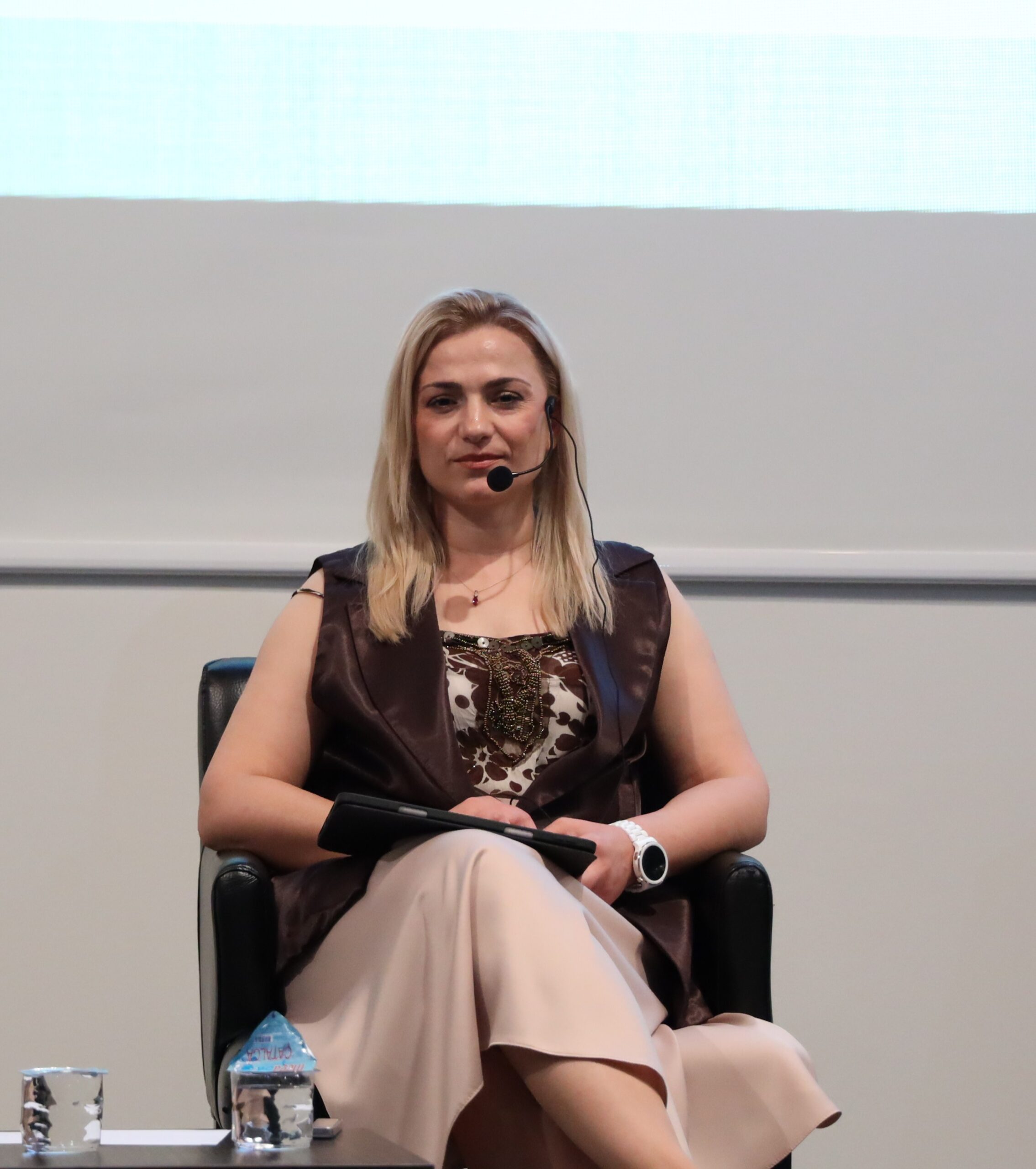
Fatma Taycı, FSC Türkiye
Fatma Taycı introduced herself as a Value Chain Specialist at FSC Türkiye.
She explained that FSC, Forest Stewardship Council, is a non-governmental organization that has been operating for 31 years with the aim of protecting the world’s forests for future generations. It supports forest management that is environmentally appropriate, socially beneficial and economically viable.
She emphasized that FSC’s fundamental contribution to the industry is raising forest management standards. This in turn helps forests become more resilient to climate change while providing greater raw material security for the sector.
She stated that FSC certification provides standards that simultaneously consider environmental, social and economic dimensions.
Drawing attention to Türkiye’s potential within the sector, Taycı stated that the country ranks second in the world and first in Europe in MDF production and reaches approximately 45 percent of the Eastern European market in wood-based products.
She also stated that Türkiye has the world’s second-largest FSC-certified forest area after Sweden.
Despite this strong infrastructure, she argued that Türkiye has not yet converted this potential sufficiently into commercial value, exports and growth. She said the reasons behind this should be examined collectively by industry, academia and public-sector stakeholders.
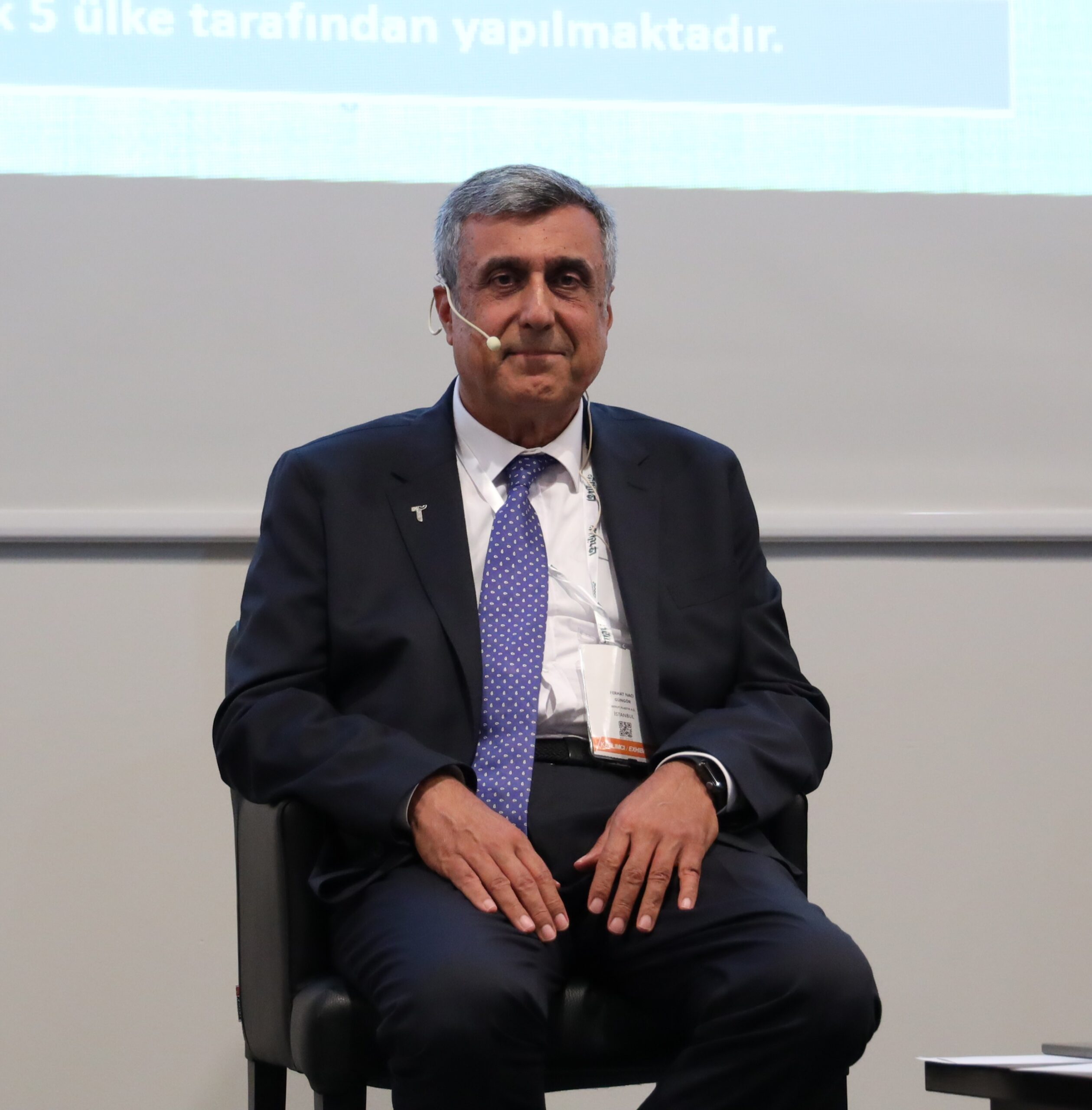
Naci Güngör, Alim Group
Naci Güngör introduced himself as a 1987 graduate of Middle East Technical University Mechanical Engineering and stated that he completed an MBA at Bilkent University in 1989.
He began his career at Koç Group subsidiary Kav Kibrit, working on poplar log exports to Bulgaria. He later worked at Dempa, then joined Kastamonu Entegre in 2007 as the founder of its marketing department and has served as Marketing Director at Alim Group since 2018.
He stated that Alim Group is one of Türkiye’s and possibly Europe’s largest distributors in wood-based panel exports. The company operates a 10,000 m² warehouse in Montenegro and exports MDF and particleboard from this location to Eastern European and Balkan countries.
Summarizing his assessment through industry data, Güngör stated that during the first six months of 2026, the furniture industry production index stood at 100.9 while the wood-based panel industry index reached 110.4.
Compared with the previous year, the panel industry grew by 1.8 percent and the furniture industry by 2.5 percent. In June, the panel industry recorded a recovery of up to 11 percent.
While Türkiye’s wood-based panel industry produces approximately 5 percent of global output, its edge banding industry accounts for around 10 percent of global demand. Güngör argued that the furniture industry has not yet benefited sufficiently from this strong industrial infrastructure.
According to FAO 2024 data, Türkiye has 15.5 million m³ of installed wood-based panel capacity and produced 11.3 million m³. Güngör expects production of around 12 million m³ this year, corresponding to approximately 77 percent capacity utilization.
He described exports of 2.5 million m³ as a very strong figure and noted that Türkiye can now export even to distant markets including Ecuador, New Guinea, Chile, Brazil, Taiwan and China.
He suggested that the furniture industry could benefit from the panel industry’s experience and proposed joint projects between YOMSAD and MOSFED, the furniture industry association.
Güngör also addressed recycling, stating that raw material should no longer be sought only in forests but also in cities.
He argued that plantation projects and joint collection centers should be developed under YOMSAD’s leadership in cooperation with OGM and universities. He also suggested encouraging a model in Türkiye similar to IKEA’s practice in Europe, where old furniture is taken back when new furniture is sold.
He referred to Kastamonu Entegre’s announced EUR 70 million investment in recycling technology brought from Italy and suggested that the resulting know-how could be shared with the wider industry.
He concluded by saying:
“I am cautiously optimistic about 2027.”
He added that he expects recovery in the sector if interest rates continue to decline and global conflicts do not spread further.
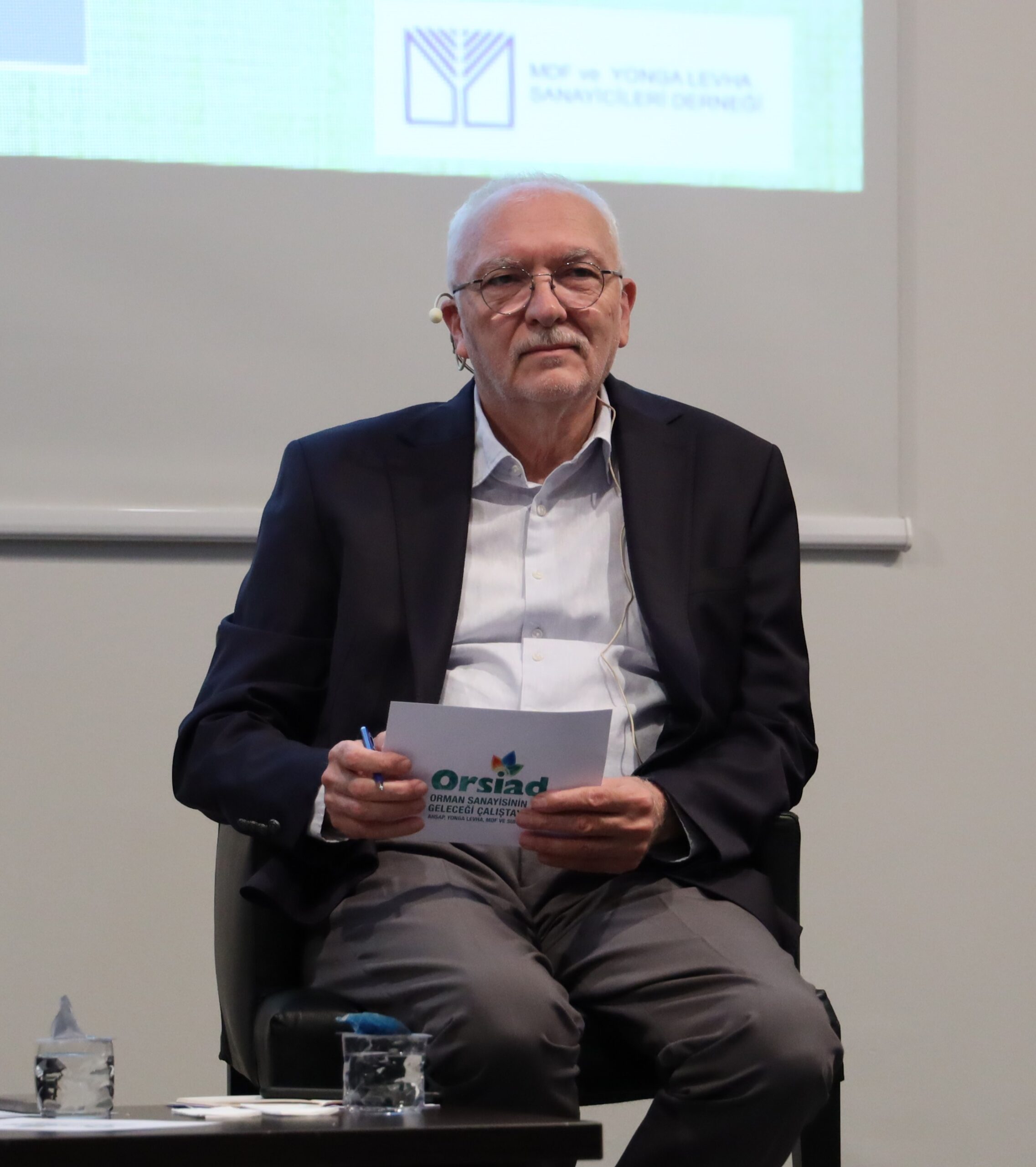
M. Celalettin Akça, National Wood Association
M. Celalettin Akça introduced himself as a professional who has worked at various levels in the wood industry, including imports, exports, production and construction, for 45 years. He stated that he has served as President of the National Wood Association, UAB, for the past six years.
He explained that UAB was established in 2000 primarily by architects and engineers committed to wood and that the association contributed to the introduction of Türkiye’s timber building regulation as well as the classification of the structural strength of domestic wood species.
Akça argued that Türkiye has not yet reached the position it deserves in the global wood industry.
He stated that no official statistics exist on the total revenue generated by Türkiye’s wood sector and that estimates range between EUR 12 billion and EUR 15 billion.
By comparison, he noted that Germany generates approximately EUR 200 billion from forest products and cited the example of a single European company generating EUR 10 billion in revenue from an area of 2.5 million hectares.
Türkiye, despite having 23 million hectares of forest, has not been able to generate revenue on this scale. He therefore emphasized the need for fundamental structural reforms across the sector.
Akça also referred to the “Türkiye Forestry Program” initiated by OGM last year. He explained that the program will cover the next 20 years and is being developed through workshops in various regions, with UAB participating in the process.
Drawing attention to the growth of countries such as Poland and Vietnam through solid wood furniture exports, innovation and design, he argued that Türkiye should position itself in a similar direction.
He emphasized that wood has a strategic advantage because it is a renewable material rather than a raw material extracted from underground.
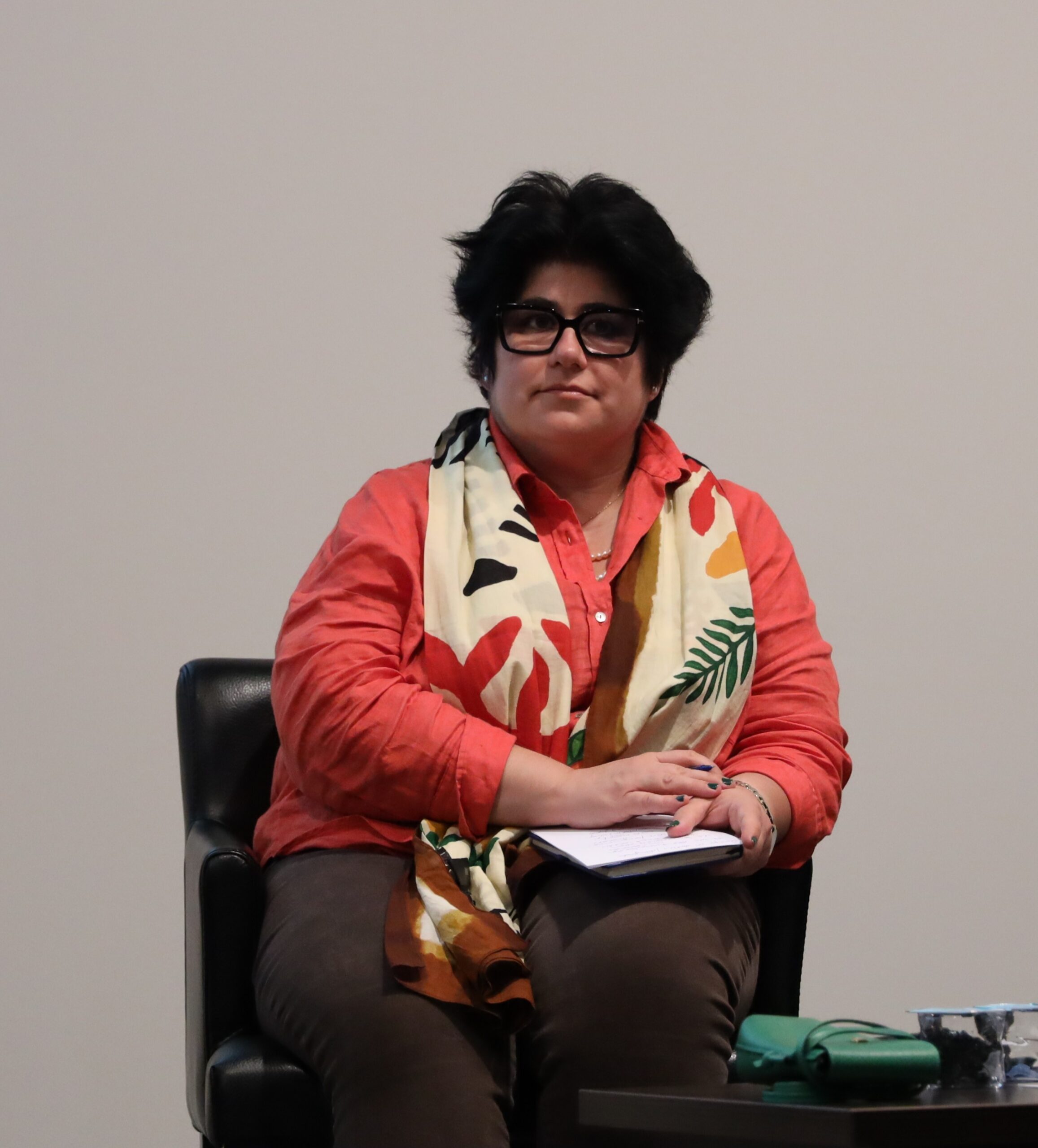
Dr. Demet Sürücü, Bahçeşehir University
Dr. Demet Sürücü introduced herself as the Founding Director of Bahçeşehir University’s Wood Construction Application and Research Center.
She stated that she graduated in Forest Industry Engineering in 2001, completed a doctorate in the field and that the center is now entering its second year. She also has 25 years of experience in timber construction and restoration.
She drew attention to the fact that the five countries that grow the largest quantities of wood, the United States, Canada, Russia, China and Brazil, are also among the countries that build the most with wood.
Approximately 1.5 million timber homes are constructed annually in the United States while Canada builds around 550,000-600,000. She stated that these buildings are constructed using light timber framing systems and range from two to eight storeys.
Bringing together the points raised by previous speakers, Sürücü emphasized the need for a holistic approach.
For forests to be transformed into value-added products, recycling and upcycling need to progress simultaneously. She described upcycling as transforming timber into higher-value structural products such as glued laminated timber or cross-laminated timber.
She questioned why Türkiye, despite starting from a similar position to Sweden in terms of forest resources and certification rates, has not been able to produce structural timber at a comparable level.
She shared the example of Stockholm Wood City, currently under construction in Sweden.
She stated that structural quality standards for domestic wood species have now been established and argued that the main problem should instead be sought in deficiencies in innovation and inspection.
She summarized her remarks with the words:
“We need to take a holistic view and move forward simultaneously.”
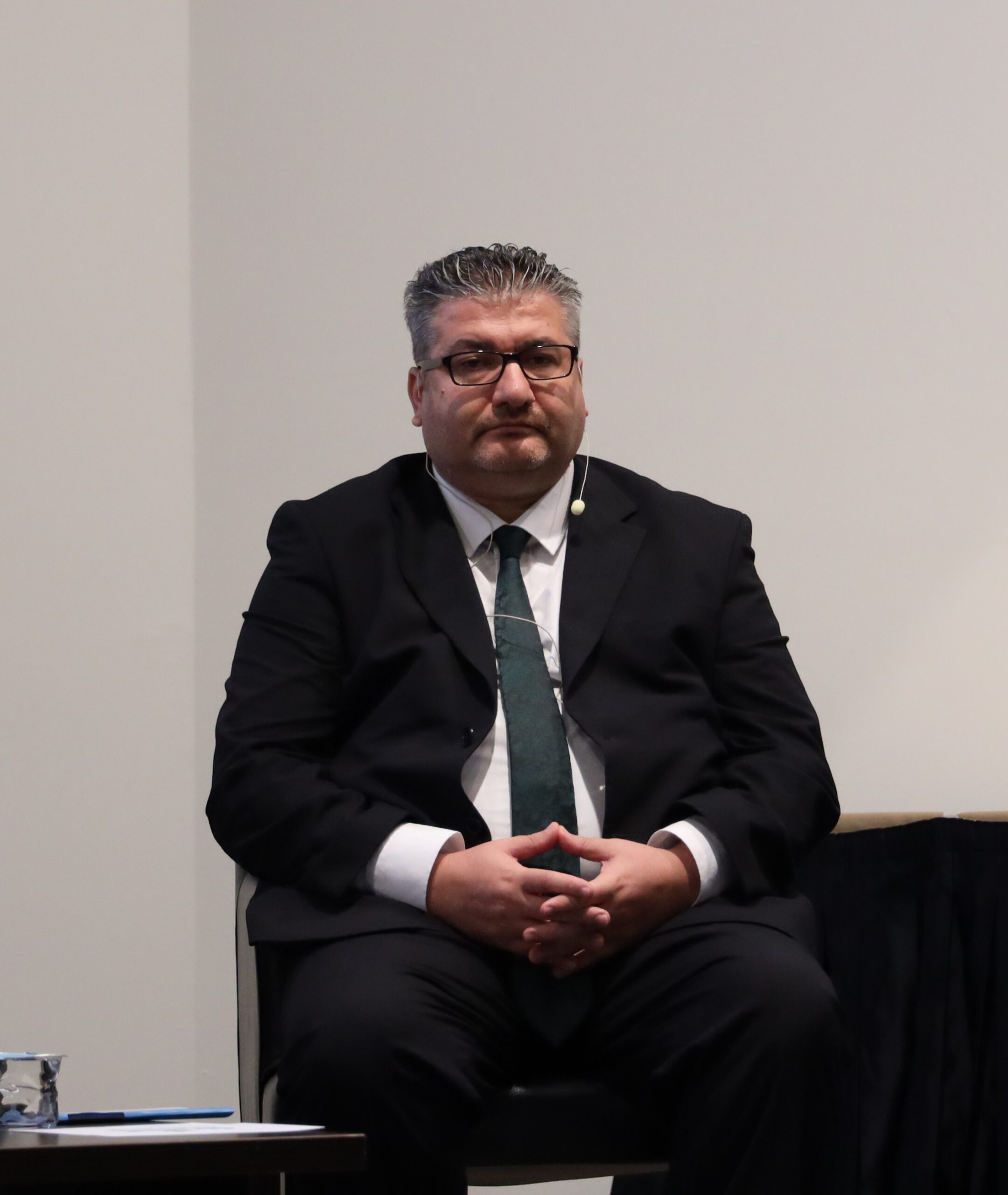
Bülent Güneş, General Directorate of Forestry
Presentation Content:
Bülent Güneş introduced himself as a Forest Industry Engineer.
For the past two years, he has served as Deputy Head responsible for sales within OGM’s Operations and Marketing Department. During more than 25 years of public service, he has worked as an engineer, branch manager and contributor to the development of sustainable forest management criteria as well as various national and international projects.
He shared the following information about OGM:
- Türkiye’s forest resources continue to expand. The current forest area is approximately 23.4 million hectares and growing stock stands at approximately 1.8 billion m³. This presents a different picture from the widespread perception that Türkiye’s forests are continuously being cut down or burned.
- OGM has three fundamental responsibilities: protecting forests, developing forests and managing forest resources.
- In 2026, Türkiye’s forests have an annual increment of approximately 51 million m³ while only around 34 million m³ is included in production. This means only about 60 percent of the existing potential is being utilized.
- OGM’s annual wood production capacity is approximately 32 million m³ and annual sales revenue is around USD 1.6 billion. More than 90 percent of the revolving fund budget is financed through wood sales. The institution does not operate for profit and aims to maintain a balanced budget.
- According to FAO data, Türkiye ranks fourth in the world and first in Europe in afforestation. Forest growth is supported both by OGM’s afforestation programs and by the natural reforestation of agricultural land resulting from rural population decline.
- Approximately 55 percent of Türkiye’s forests are FSC certified. The target for 2028 is to certify all production forests. In addition to FSC, an organization authorized for PEFC certification also operates in Türkiye.
- As part of its digital transformation, OGM is moving into the second phase of its ORBİS, Forest Information System, project, known as ORBİS 2. A barcode system provides product traceability and OGM states that this will support readiness for the EU Deforestation Regulation, EUDR, which is due to enter into application in January 2027. Approximately 65 percent of sales are now conducted electronically, a practice first introduced during the pandemic.
- OGM uses three main sales methods: auctions as the principal method, allocated sales accounting for approximately 25 percent and primarily serving fiber-particleboard, utility pole and mining organizations and discounted sales arising from statutory rights, accounting for approximately 8-10 percent.
- According to TÜİK data, Türkiye’s forestry sector has an overall export surplus of USD 1.3 billion. However, Güneş stated that following privatizations, no domestic production facilities remain in the paper and pulp sector, leaving Türkiye fully dependent on imports in this area.
- Through a GEF, Global Environment Facility, supported project in the earthquake region, OGM is promoting the use of timber construction. To date, approximately 150,000 m² of construction area has been built using timber structural systems, including the Osmaniye Forestry Operations Directorate building. These buildings have entered an international competition involving 59 buildings from 22 countries and public voting is open.
- Güneş acknowledged that OGM product prices are high and listed three structural reasons. First, approximately 49 percent of sales revenue is paid directly to producers and workers as production costs. Second, since 2019, 15 percent of sales revenue has been transferred directly to the Ministry of Treasury and Finance, amounting to approximately TRY 12 billion annually. Third, 28,000 of OGM’s 48,000 employees are paid through the revolving fund. He stated that without addressing these structural burdens, bringing prices down to competitive levels would not be possible.
Second Question
“Within the framework of global climate policies and the European Green Deal, what role should FSC certification play in the sustainable raw material management, traceability and global competitiveness of Türkiye’s forest products industry?”
Due to time constraints, the moderator gave the floor first to Fatma Taycı during this round and then invited the other speakers to respond in sequence.
Fatma Taycı, FSC Türkiye
Presentation Content:
Taycı began by emphasizing that the forest products industry is not unfamiliar with the green transition and climate agenda. On the contrary, it is an industry directly positioned within these areas.
She explained that FSC is not simply a certification system but is based on a democratic decision-making process that considers environmental, social and economic dimensions together.
She stated that FSC is not opposed to production. Instead, it seeks to ensure that production takes place while respecting ethical principles and ecological values.
Referring to a global consumer survey conducted across 50 countries, she stated that half of more than 40,000 participants recognized FSC and that 79 percent of those familiar with the organization had greater trust in brands carrying the FSC logo.
Globally, 174 million hectares of forest are FSC certified and more than 74,000 companies participate in the FSC certification system.
In Türkiye, 14 million hectares of forest, representing 17 of 30 regional directorates, and approximately 1,000-1,184 companies are FSC certified.
She stated that these figures indicate the existence of a broad supply chain that has reached a certain level of maturity in sustainability and compliance with climate regulations. However, she emphasized that this has not yet been sufficiently converted into commercial value.
In Türkiye, 27 percent of certified companies produce at least one wood product, 12 percent engage in wood processing and 15 percent operate in furniture, construction or interior applications.
She noted that certified products represent 13 percent of construction materials globally and 21 percent in Europe while demand exceeds 60 percent, highlighting a substantial supply-demand gap.
In furniture, 20 percent of the global FSC network operates in this field, compared with 24 percent in Europe and only 12 percent in Türkiye.
Taycı devoted significant attention to the EUDR, EU Deforestation Regulation.
She stated that the regulation will apply to large producers from December 2026 and smaller producers from June 2027. Although Turkish producers may not always be the direct legal subjects of the regulation, they will be indirectly affected because Türkiye is one of Europe’s leading suppliers.
She advised companies to prepare to respond rapidly to requests from customers for sourcing data.
She also noted that FSC certification already covers a significant proportion of the traceability and auditing requirements that overlap with EUDR requirements. However, she emphasized that no certification system provides automatic compliance on its own.
She stated that Türkiye’s Ministry of Trade has included an additional module developed by FSC within its support framework and recommended that certified companies make use of this support.
Finally, she drew attention to difficulties in sourcing FSC-certified raw materials due to insufficient stocks.
She proposed strengthening the supply chain, reducing minimum order quantities and managing raw material data more effectively.
Tevfik Dedebaş, YOMSAD
Drawing attention to the limited time available, Dedebaş made a brief assessment and presented three specific proposals that he had shared with OGM.
- Forest fires: He stated that Türkiye faces a high risk of forest fires due to its location within the Mediterranean region. However, the entire financial burden of these fires falls solely on OGM. Based on the example that a one-hectare forest fire can release approximately 200-250 tonnes of carbon dioxide into the atmosphere, he argued that forest fires should be treated as a global problem and their financial burden should be shared.
- Sales and tender legislation: He stated that Article 30 of the Forest Law should be adapted to modern marketing methods and that the allocation system should be applied equally across different industry stakeholders.
- Revolving fund deduction: He argued that transferring 15 percent of OGM’s sales revenue, approximately TRY 13.5 billion or EUR 240 million annually, directly to the Ministry of Treasury and Finance regardless of profit or loss distorts cost structures and restricts export potential.
Naci Güngör, Alim Group
Güngör emphasized the importance of R&D activities aimed at reducing raw material consumption.
He stated that alternatives such as lightweight and sandwich panels using less resin and adhesive need to be developed.
He argued that Türkiye no longer needs additional raw panel capacity and should instead focus on higher value-added technological products, such as paintable surfaces and products resistant to scratching, bending, moisture and fire.
He noted that the economically viable export radius of raw panels is limited to approximately 700 kilometers. For this reason, Türkiye needs to compete in distant markets such as the United States through value-added products.
He described the post-pandemic nearshoring trend as an opportunity for Türkiye and stated that panel manufacturers could gain a competitive advantage by selling complete solutions that also incorporate complementary products such as edge banding.
He also recommended conducting target-market analysis before participating in trade fairs, working with local agents, citing Kastamonu Entegre’s experience in Italy as an example and making full use of government export and consultancy support programs.
M. Celalettin Akça, National Wood Association
Akça stated that global economic fluctuations are generally followed by periods of recovery after each crisis and predicted that the world will increasingly move away from traditional strategic products such as oil toward natural and renewable materials.
He emphasized that companies need to move away from asking “How can I produce the same material more cheaply?” and instead begin asking “What does the world need?”
From a sustainability perspective, he identified raw material efficiency as one of the most critical issues for Türkiye.
He stated that without achieving this efficiency, production will either remain expensive or lead to undesirable outcomes.
Dr. Demet Sürücü, Bahçeşehir University
Dr. Sürücü stated that the “age of returning to nature” is also the “age of wood” and emphasized that Türkiye is capable of better design and construction with wood, just as other countries are doing around the world.
Responding to criticism that Türkiye has too few timber designers and engineers, she stated that as someone who has worked in the field for 25 years, she believes the number should not be underestimated.
She noted that strong design solutions have historically emerged from this geography and again referred to the Eşrefoğlu Mosque as an example.
She described COP31 being hosted in Türkiye as an opportunity and expressed the hope that the occasion could be used to publish a “wood declaration.”
As a closing emphasis, she stated:
“Production, the correct use of raw materials, improving efficiency, correct design and correct construction, all of these mean longevity. We need to recognize the cycle within the forest itself and establish the balance accordingly.”
She also referred to the elective course “Contemporary Timber Structures and Structural Systems”, which has been offered every semester at Bahçeşehir University for five years.
She stated that the level of interest generated by such a course at even a single university demonstrates how much more can be done in this field.
Bülent Güneş, General Directorate of Forestry
In his closing remarks, Güneş stated that forests require maintenance and sustainable management.
He explained that this can be achieved through a balanced approach to conservation and use, sustainable forest management criteria, forest management plans and production from certified forests.
He concluded by stating that OGM will continue to expand and strengthen its existing cooperation with producers and customers and thanked the participants.
Closing
The moderator announced that there was not enough time remaining for a question-and-answer session.
Participants were informed that any questions could be submitted by email and that they would be answered carefully.
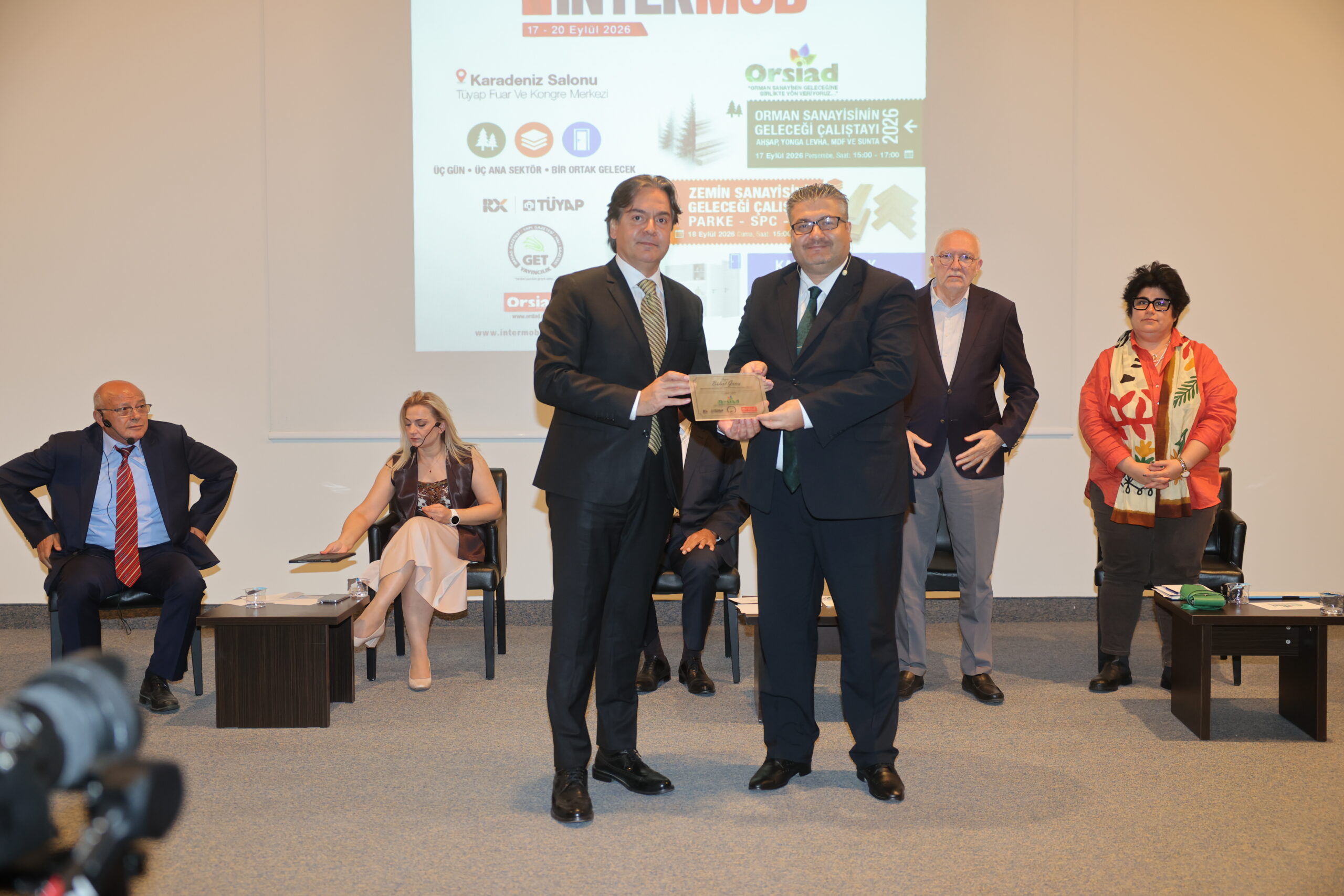
The program then proceeded to the plaque presentation ceremony.
Reed Tüyap General Manager Berkan Öner was invited to the stage and presented plaques to Bülent Güneş, Deputy Head of OGM’s Operations and Marketing Department and Tevfik Dedebaş, representing YOMSAD.
Plaques were also presented to Bülent Güneş, Fatma Taycı and Dr. Demet Sürücü.
Dr. Demet Sürücü referred to a “recycling station design competition” previously organized by Bahçeşehir University with the support of YOMSAD and Kastamonu Entegre, noting that the occasion was particularly meaningful in terms of this cooperation.
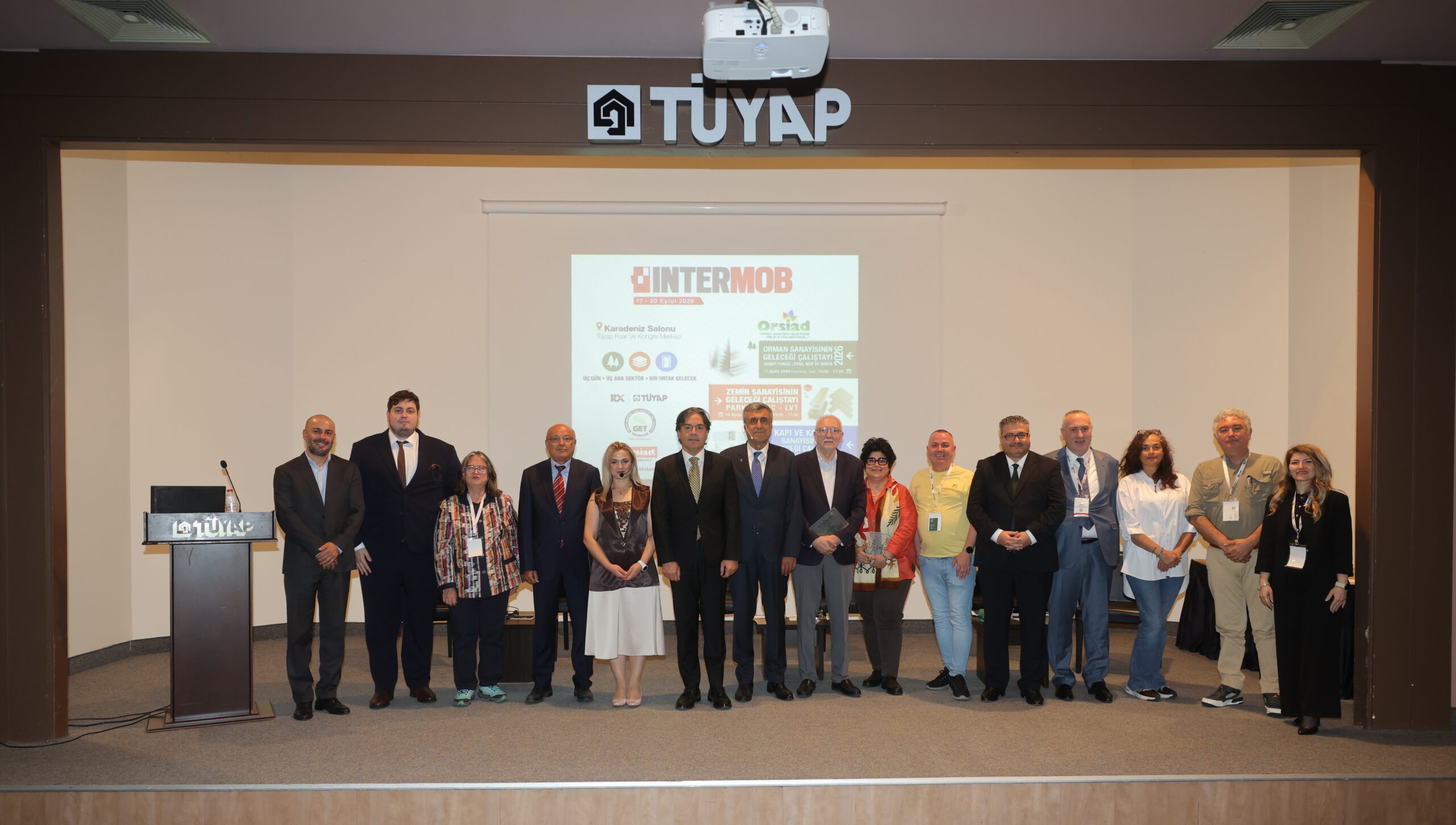
The program concluded following a group photograph with the participants.