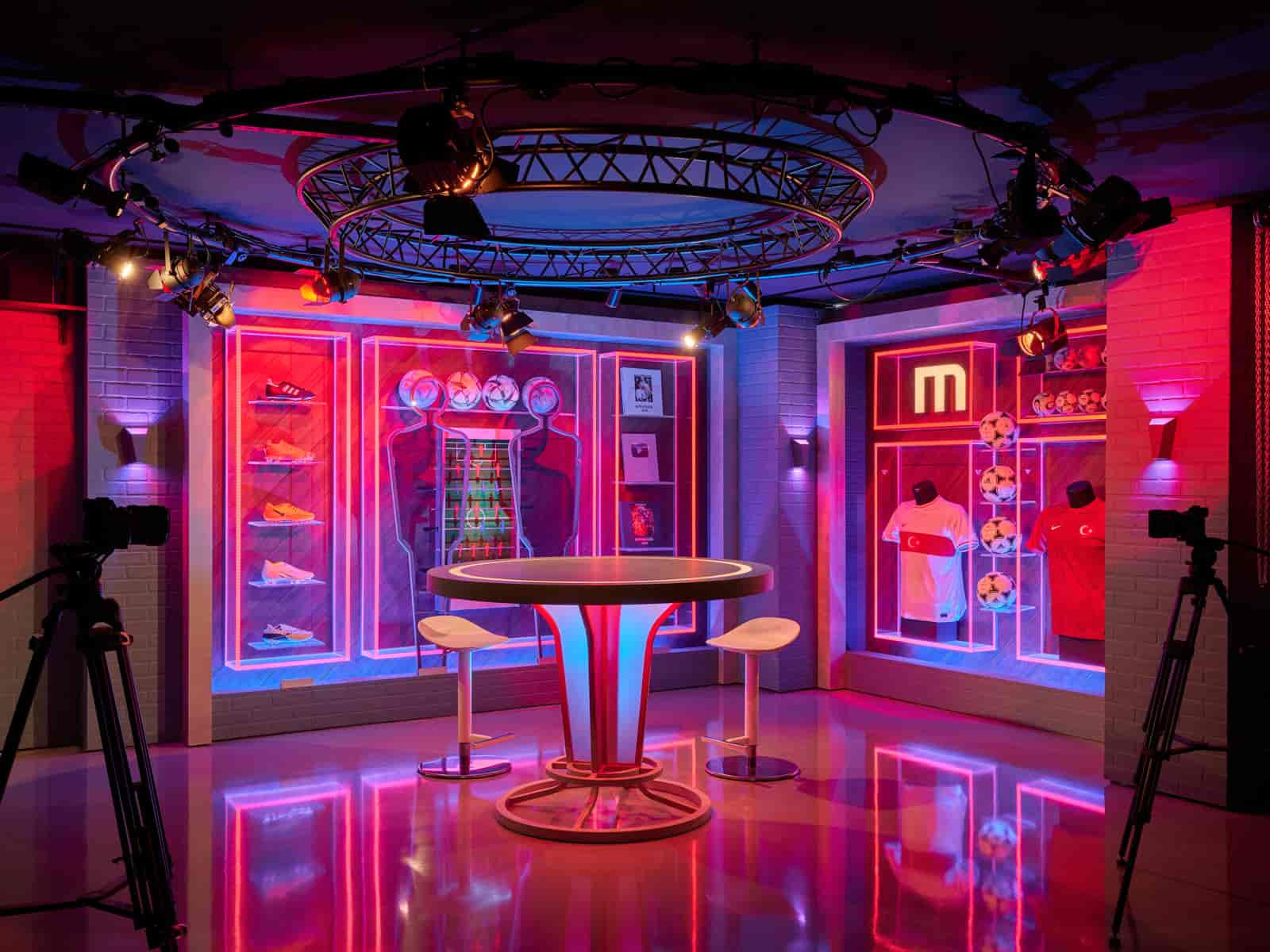
Standing out with its interdisciplinary approach that brings together technology, spatial experience and user-centered design through architectural, interior architectural, broadcast studio and media projects, BAB Architects is reimagining broadcast studios as next-generation production environments that combine advanced technological infrastructure, spatial flexibility and user experience in response to the rapid transformation of digital content production.
The growing prevalence of social media platforms, podcasting, live broadcasting formats and hybrid production models has made it necessary to develop new spatial scenarios in studio design. BAB Architects places this transformation at the center of its design practice and conceives broadcast studios as holistic systems that can adapt to different forms of content production, support changing usage scenarios and establish a strong spatial identity.
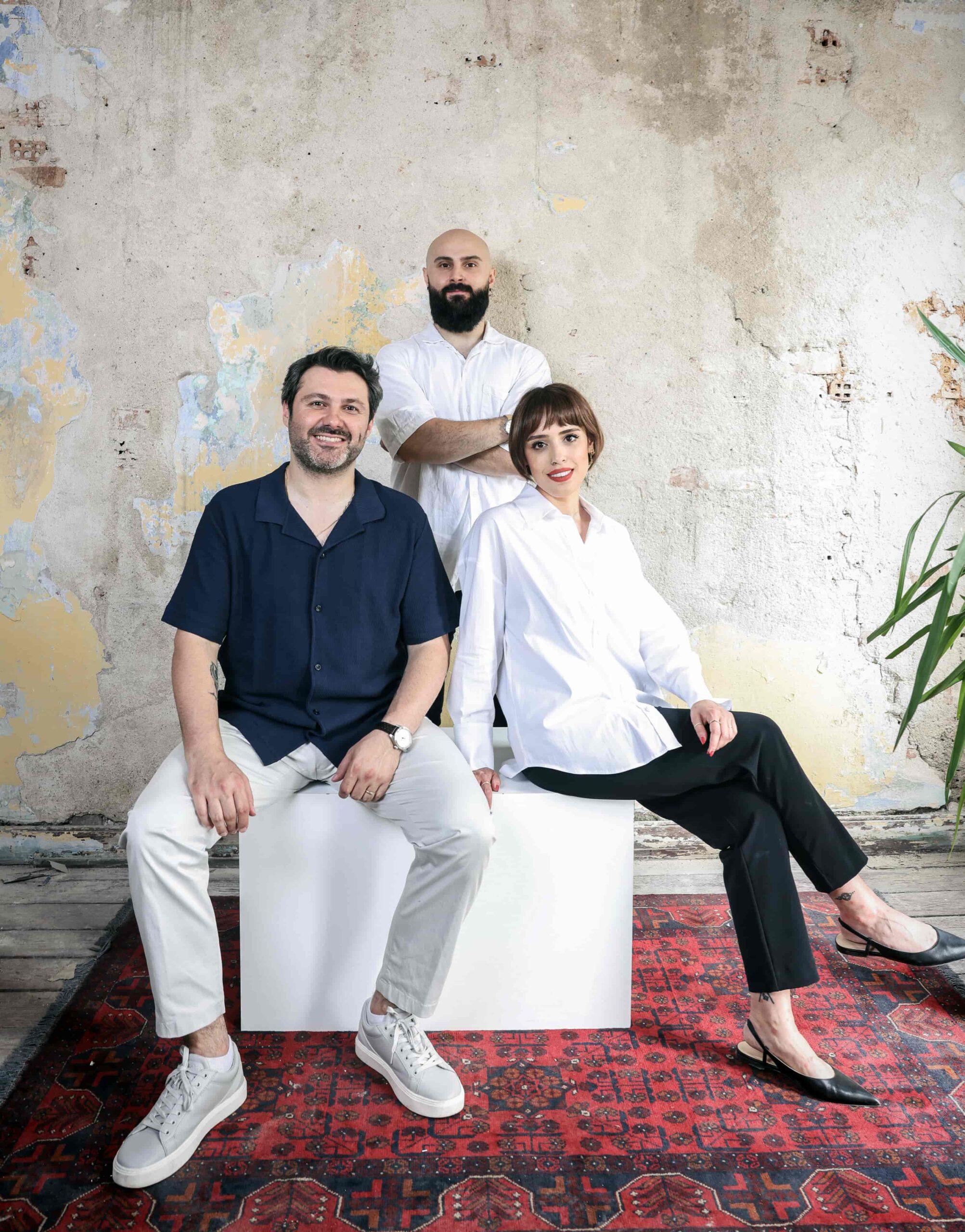
According to BAB Architects founders Architect İrem Arıbaş, Interior Architect Hüseyin Beş and Interior Architect & Set Designer Yurdaer Beş, a successful broadcast studio design requires a balanced setup in which technical requirements and architectural aesthetics complement one another.
The team states that every project begins with an analysis of the dynamics of the content to be produced and emphasizes that news studios, sports broadcasting environments, podcast spaces and digital content production areas are shaped by different technical and spatial requirements.
Architect İrem Arıbaş summarizes this approach as follows:
“For us, studio design is not simply about creating an aesthetically appealing space, but about establishing a strong infrastructure that supports the content production process. The broadcasting scenario, user experience and technological requirements must be considered together from the very first stage of the design process.”
Accordingly, camera movement areas, control room organization, technical infrastructure, equipment layouts and service circulation are incorporated into the architectural concept from the beginning of the design process. Acoustic performance, controlled lighting systems and user circulation are also among the fundamental design parameters that determine how the space operates.
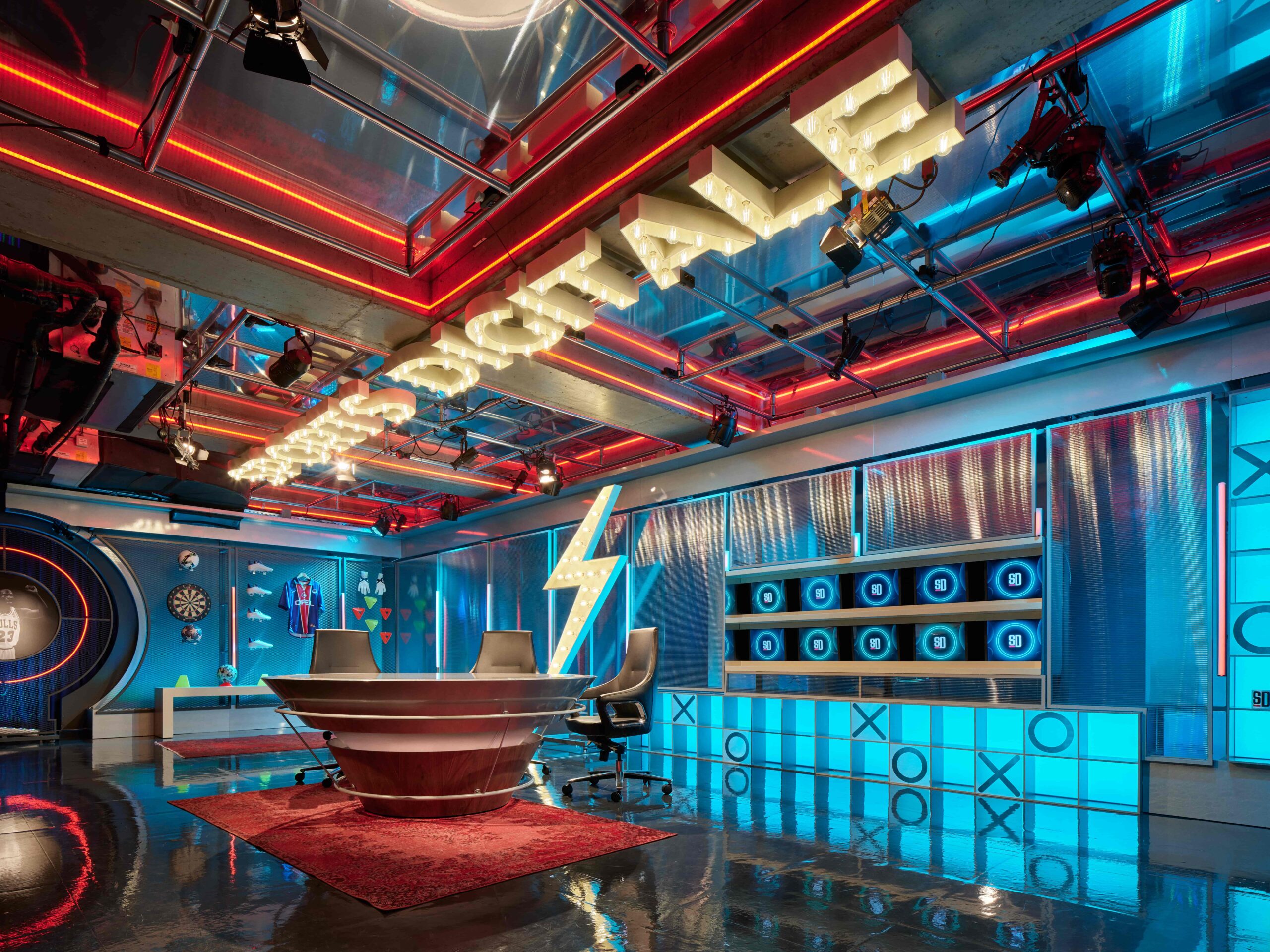
According to BAB Architects, proper planning of the invisible technical infrastructure is just as important as the visible architectural language.
Technological developments are also redefining the physical character of studio environments. Thanks to LED screen technologies, modular set systems and digital background solutions, a single studio can now adapt to different broadcasting formats throughout the day.
This approach not only provides visual variety but also creates significant advantages in terms of time management, operational efficiency and spatial use. As a result, adaptable set design has become one of the core design principles of contemporary broadcast studios.
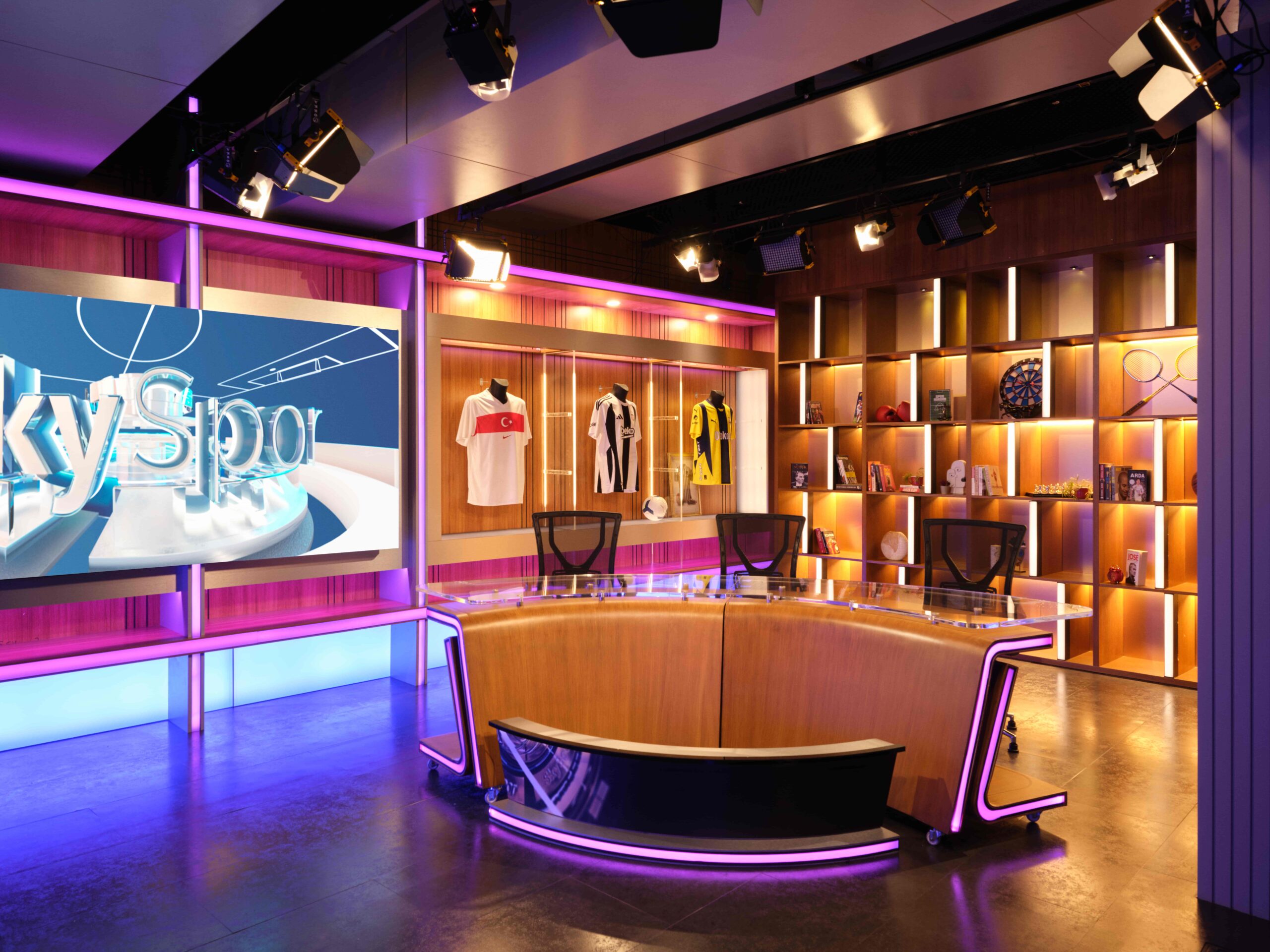
Interior Architect & Set Designer Yurdaer Beş evaluates this transformation as follows:
“We no longer approach set design as a fixed backdrop, but as a living system that can quickly adapt to different broadcasting scenarios. Technology is one of the most important tools enabling this transformation while spatial experience always remains at the center of the design.”
According to BAB Architects, augmented reality, virtual production technologies and AI-supported broadcasting systems are also among the key components shaping the future of broadcast environments.
The integration of physical spaces with digital layers enriches the viewer experience while solutions such as AI-supported camera tracking systems, broadcast automation, content analysis and lighting optimization enable production processes to be managed more quickly and efficiently.
For this reason, technology is not treated as an element added after the design process, but as a fundamental design input that shapes the architectural concept itself.
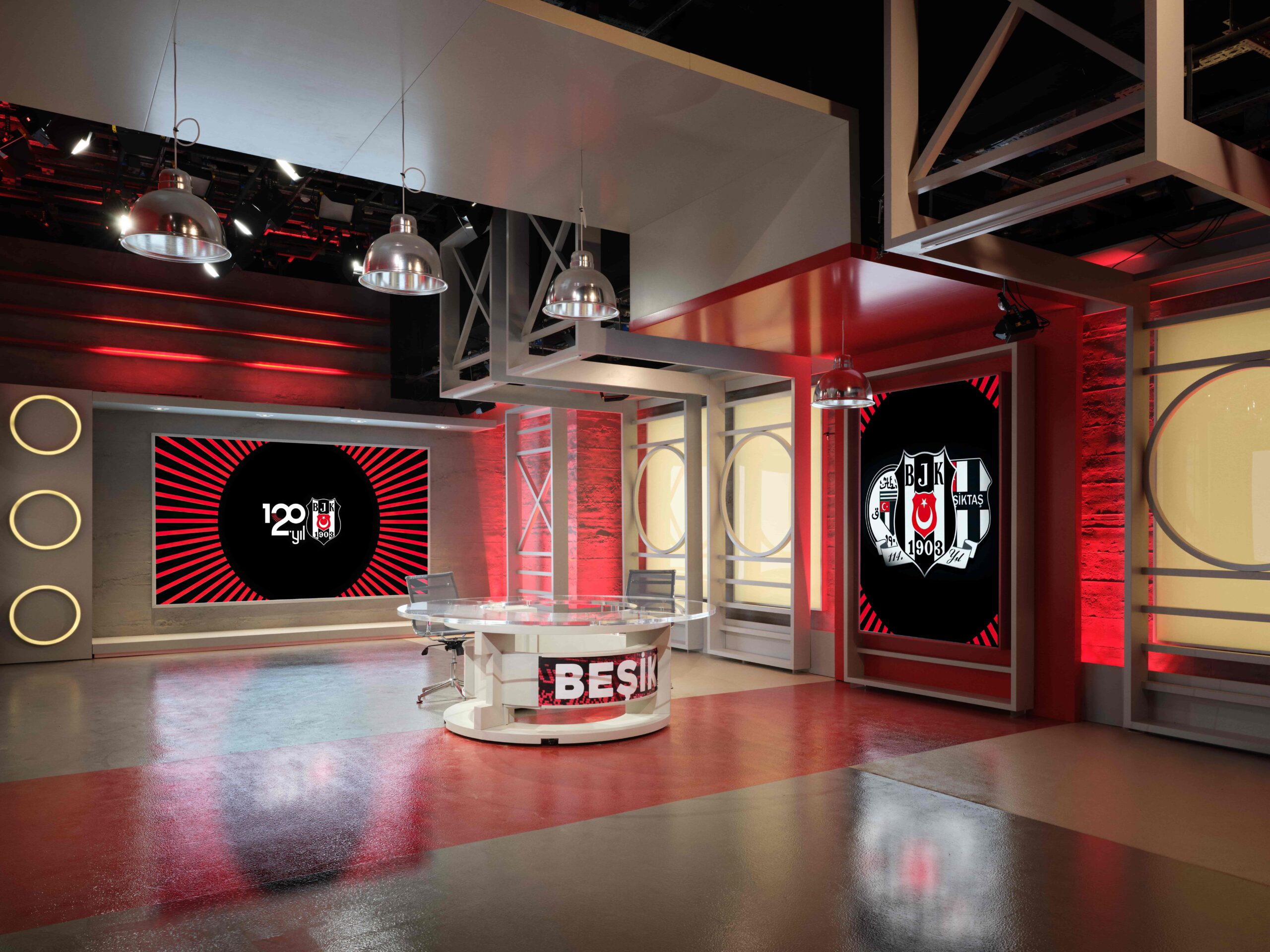
Interior Architect Hüseyin Beş describes the role of technology in design as follows:
“For us, technology is not something that is displayed, but an infrastructure that is felt. In a well-designed studio, the user does not need to think about the technical system. The production process continues seamlessly within the natural flow of the space.”
Adopting this approach in its studio and media projects in recent years, BAB Architects considers technology not simply through equipment placement, but as a holistic design tool that increases spatial flexibility and responds to different broadcasting needs.
This makes it possible for a single studio to serve multiple content formats while also enabling the design of long-lasting spaces capable of adapting to evolving broadcasting technologies.
According to the founders of BAB Architects, the broadcast studios of the future will be shaped by modular systems, sustainable material choices, energy-efficient lighting solutions and AI-supported broadcasting technologies.
In this new era, where physical and digital spaces are becoming increasingly integrated, studios will continue to evolve beyond spaces used solely for broadcasting. They will become versatile production hubs that generate content for different platforms, continuously transform and place technology at the center of design.
Within this framework, BAB Architects positions broadcast studio design at the intersection of technology, architecture and user experience and continues to respond to the changing culture of broadcasting with flexible and long-lasting spaces.