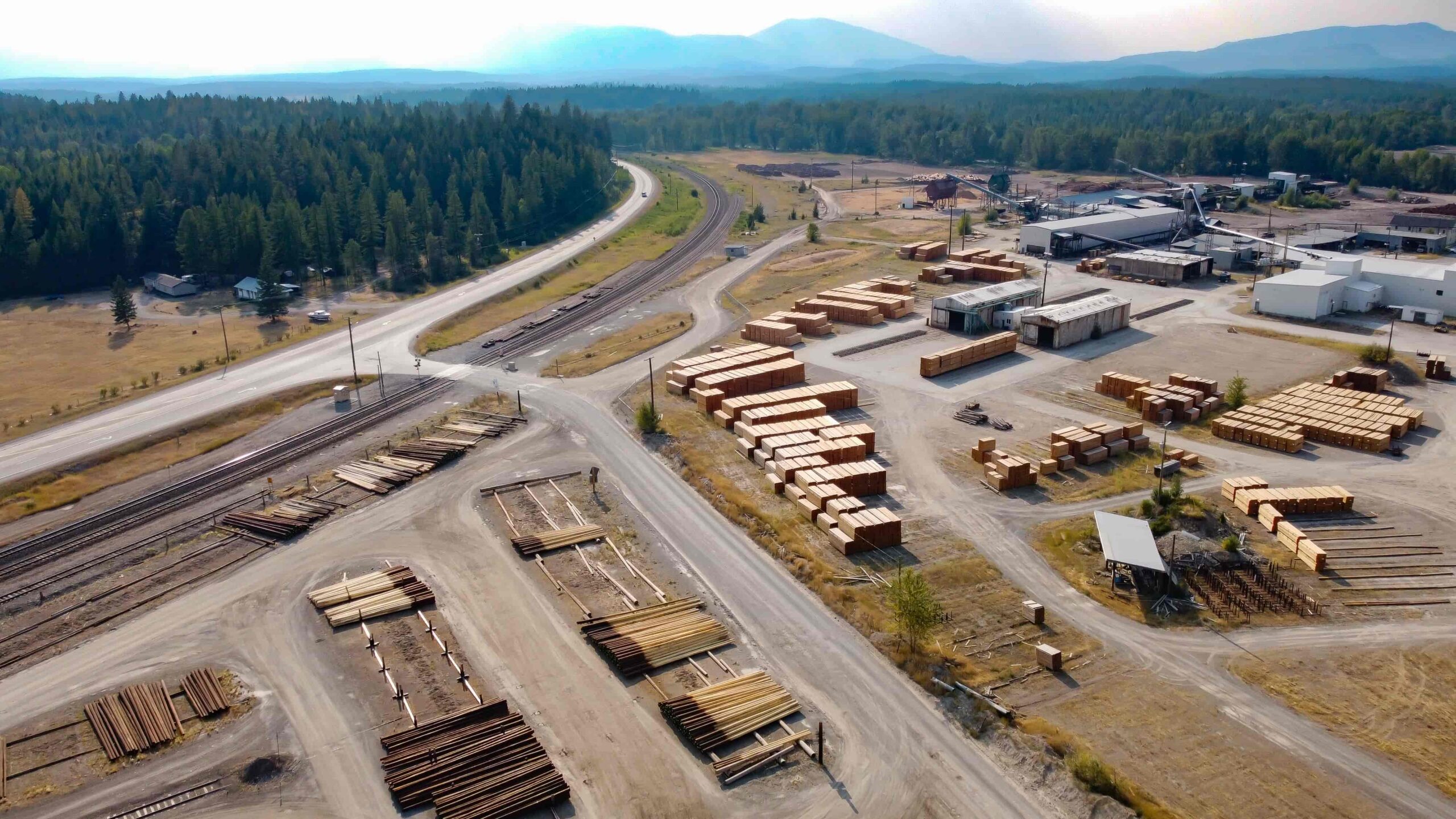
Germany’s sawmill and wood industry is facing increasingly severe pressure due to the weak construction market, high raw material costs and growing restrictions in global trade. The German Sawmill and Wood Industry Association, DeSH, warned that if current conditions remain unchanged, construction timber production in the country could decline by a further 9 to 10 percent in 2026.
While production in the sector fell to its lowest level in the last 10 years in 2025, concerns have increased as the expected spring recovery has also failed to materialize since the beginning of the year. Weak construction activity in the domestic market, combined with geopolitical tensions and trade barriers limiting sales opportunities in export markets, has narrowed the room for maneuver for German producers.
Weakness in the Construction Market Puts Pressure on Timber Demand
The decline in housing production in Germany has become one of the main factors directly affecting demand for timber and wood products. In 2025, the number of completed homes fell to 206,600, reaching its lowest level since 2012. Although a limited recovery was observed in building permits, this development is not considered a sign of lasting improvement for the sector.
According to DeSH, Germany’s construction sector is still operating in crisis mode. Weak demand, high financing costs and rising construction costs are limiting the consumption of wood products, while sawmill operators are being forced to reduce production. This situation means fewer shifts, shorter working hours and a gradual decline in industrial production capacity.
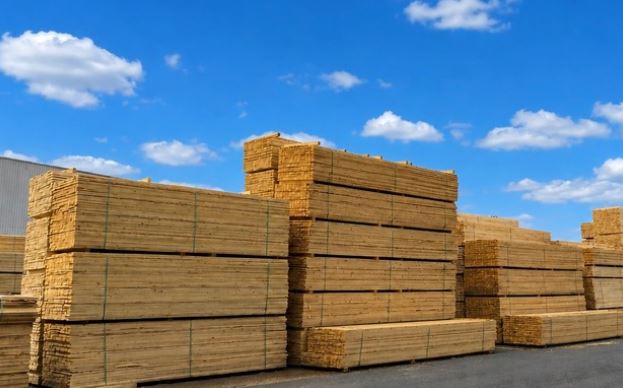
Competitiveness Has Become Critical
Last year, the German sawmill and wood industry experienced difficulties in sourcing raw materials from forests. Since the beginning of the year, however, wood supply has improved significantly as many forest owners increased harvesting. Yet this easing on the supply side has not provided the expected relief for the sector due to weak construction demand and high production costs.
German producers face structural disadvantages such as high raw material and energy costs compared to their competitors in other European countries. This situation increases production costs and weakens competitiveness, especially in international markets.
While consolidation through mergers and acquisitions is accelerating in Europe’s sawmill and wood industry, companies in Germany are being pushed into a more fragile position due to increasingly difficult market conditions.
DeSH Calls for a Future Strategy
To halt this trend, DeSH has called for an urgent crisis summit with the participation of policymakers and the business community. According to the association, the goal should be to secure wood supply, protect international competitiveness and guarantee the long-term future of industrial wood processing in Germany.
Germany’s sawmill and wood industry, with more than 2,000 companies, around 30,000 employees and annual turnover reaching 14 billion euros, is at the center of the country’s industrial wood processing chain. Germany is the European leader in construction timber production and the fifth-largest producer worldwide.
The sector provides the raw material infrastructure for key industries such as construction and packaging, while also playing a critical role in transforming forest resources into value-added products. For this reason, a further decline in production is expected to affect not only timber producers, but also employment in rural regions, regional economies and Germany’s industrial infrastructure.
DeSH’s call points to the need for a more comprehensive structural transformation in the German wood sector, beyond short-term crisis management. The association emphasizes that the sector can be placed on a stronger footing again through reliable raw material supply, competitive cost conditions, strengthened use of timber construction and support for the bio-based economy.