


What is the United Nations Convention to Combat Desertification?
The United Nations Convention to Combat Desertification (UNCCD) is the global vision and voice for land. We unite governments, scientists, policymakers, private sectors and communities around a shared vision and global action to restore and manage the world’s land for the sustainability of humanity and the planet. Much more than an international treaty signed by 197 Parties, UNCCD is a multilateral commitment to mitigating today’s impacts of land degradation and advancing tomorrow’s land stewardship in order to provide food, water, shelter and economic opportunity to all people in an equitable and inclusive manner.
What is COP17 and why does it matter?
The 17th meeting of the Conference of the Parties (COP17) to the United Nations Convention to Combat Desertification (UNCCD) comes at a time when land degradation and drought are increasingly affecting economies, food systems, water availability and livelihoods across regions.
The United Nations Convention to Combat Desertification is the global agreement on land and one of the three Rio Conventions, alongside climate and biodiversity. Its Conference of the Parties brings together 197 Parties — 196 countries and the European Union — to advance global action on desertification, land degradation and drought.
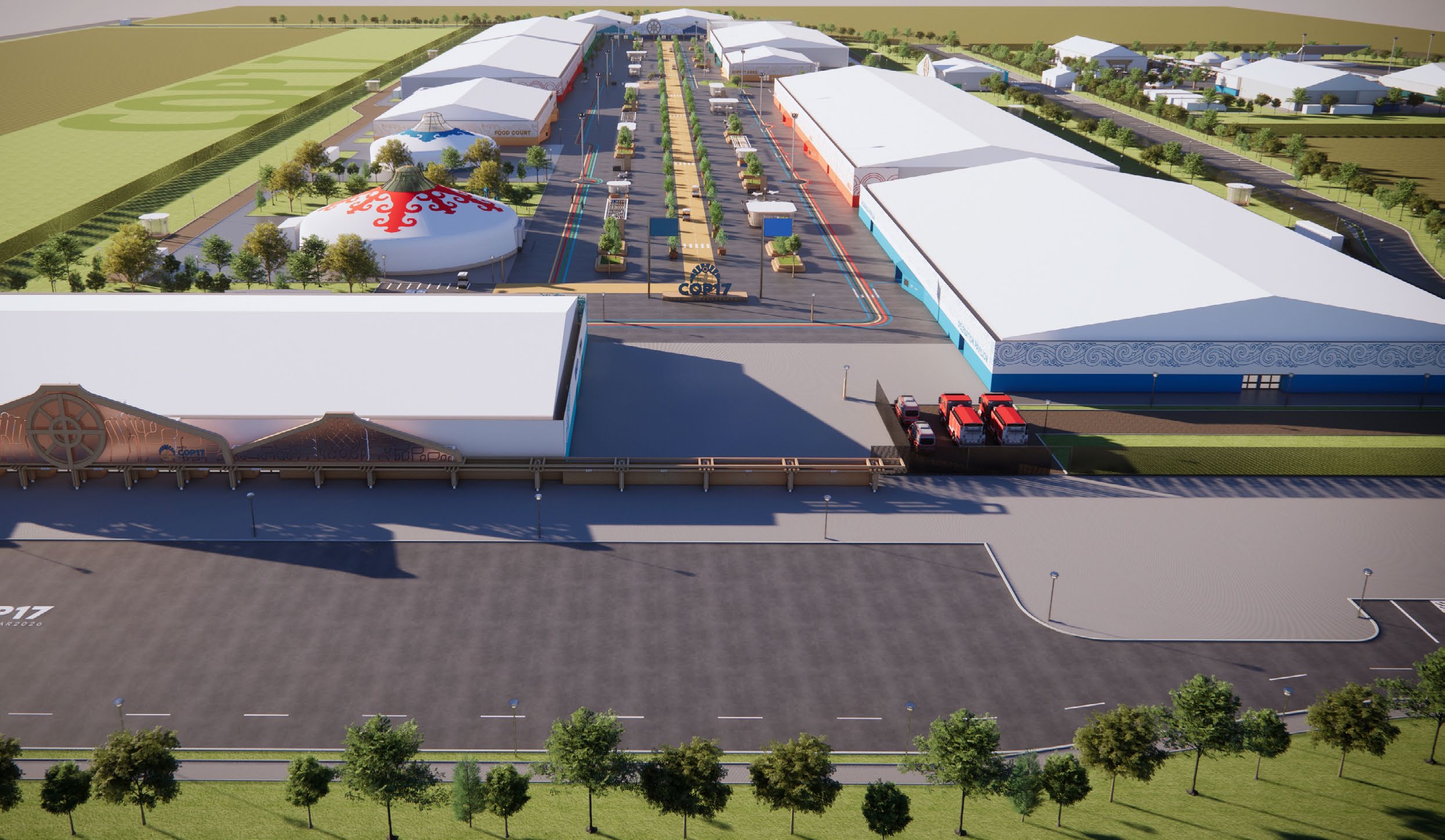
UNCCD COP17 will take place in Ulaanbaatar, Mongolia, from 17 to 28 August 2026 under the theme “Restoring Land, Restoring Hope.” Hosted in a country already experiencing the impacts of land degradation, drought and water stress, COP17 will connect global discussions with the real-world pressures already affecting drylands, rangelands and rural livelihoods.
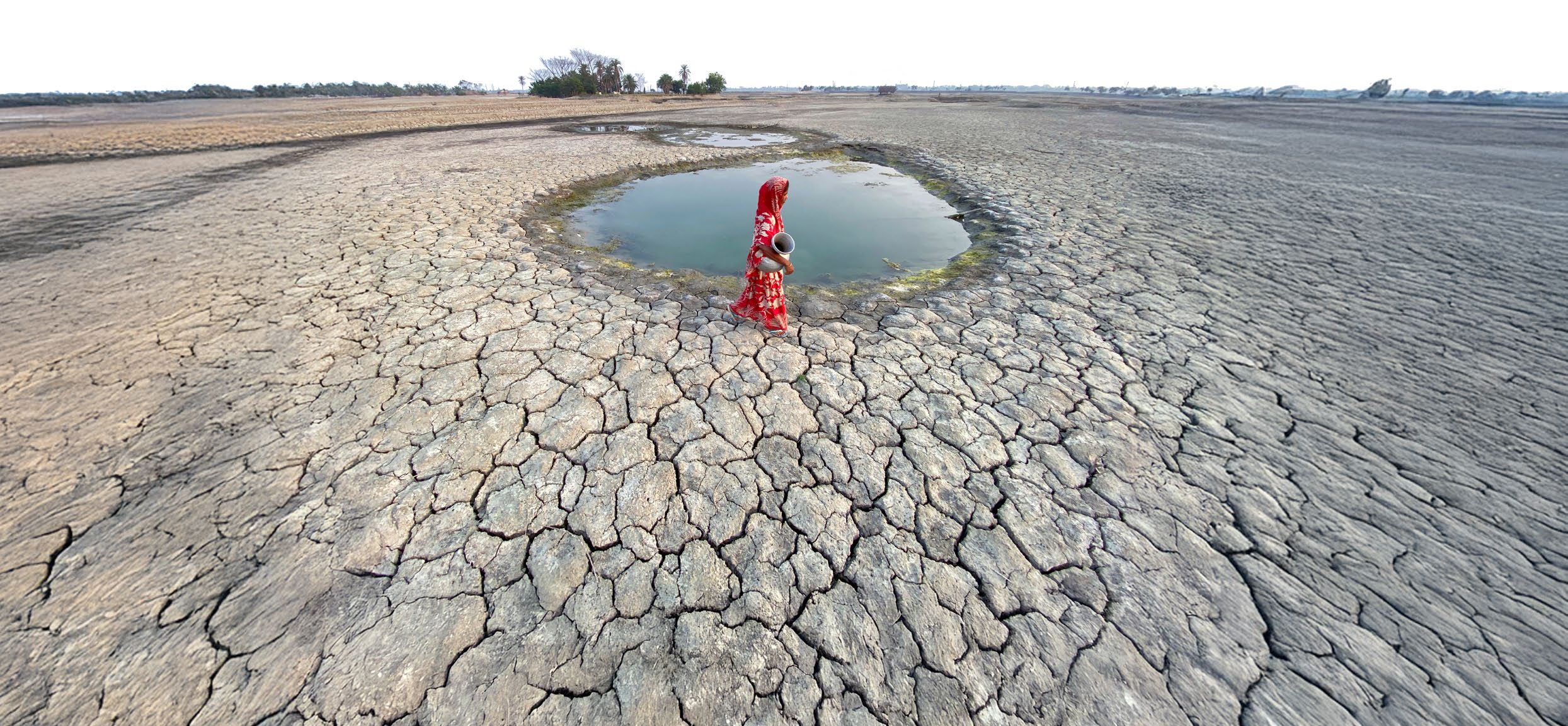
Up to 40 per cent of the world’s land is degraded, affecting nearly half of humanity, while droughts have increased by nearly one-third since 2000. Land degradation costs the global economy close to USD 900 billion annually, while drought generates at least USD 300 billion in losses each year.
As these pressures intensify, land degradation and drought are increasingly recognized as risk multipliers that can deepen economic vulnerability, resource pressures and instability, particularly in fragile regions. In April 2026, G7 ministers recognized desertification, land degradation and drought as systemic global security risks.
Taking place during the International Year of Rangelands and Pastoralists 2026, COP17 will place particular emphasis on rangelands, drought resilience, scaling finance for land restoration and sustainable food systems.
COP17 reflects a broader shift:
- Moving beyond awareness to implementation.
- Translating commitments into investment.
- Strengthening resilience before crises strike.
- Recognizing land degradation as an environmental, economic and social challenge
As the first Rio Conventions COPs of 2026, COP17 will also contribute to broader international discussions on climate, biodiversity and sustainable development by reinforcing the central role of land across these interconnected agendas.
Why Mongolia?
Mongolia illustrates both the risks associated with land degradation and drought, and the importance of building resilience through sustainable land management.
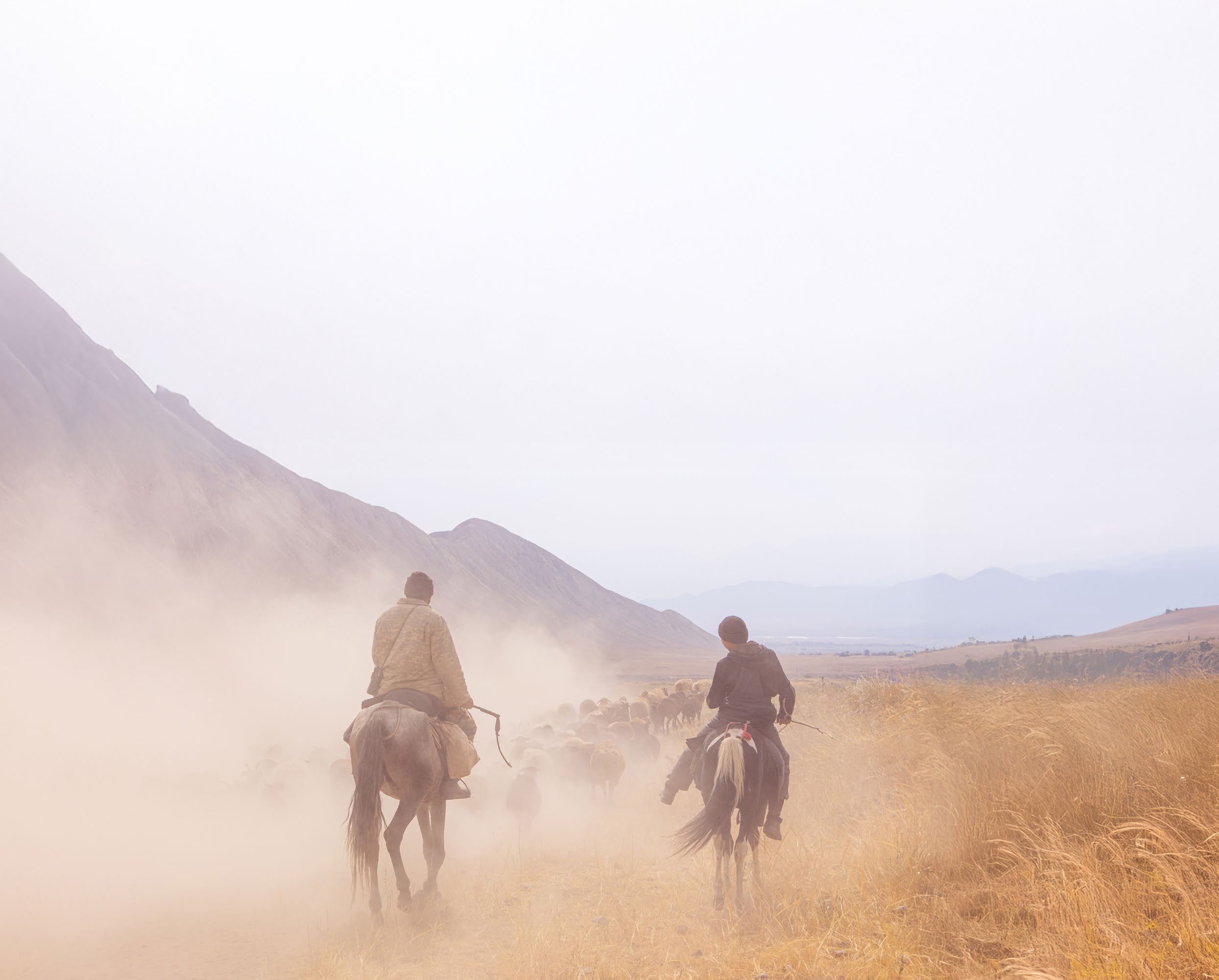
Approximately 77 per cent of Mongolia’s land is degraded, while increasing droughts, extreme climate events and recent large-scale livestock losses have placed growing pressure on livelihoods, food systems and rural economies.
Pastoralism remains central to Mongolia’s economy and culture, and national efforts are underway to advance land restoration, sustainable grazing and resilience-building measures.
Hosting COP17 in Mongolia connects global discussions to the real-world challenges already affecting drylands and rangelands across many regions.
What to expect at COP17
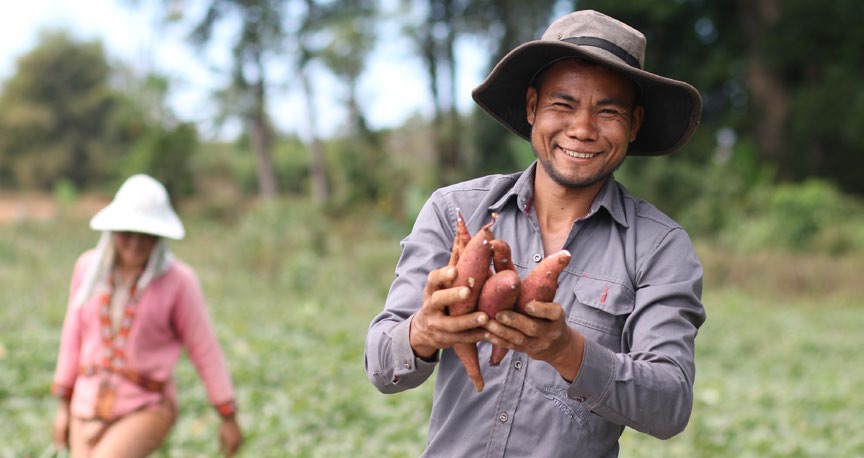
COP17 will bring together governments, international organizations, scientists, businesses, financial institutions, Indigenous Peoples, local communities, youth organizations and civil society representatives.
The conference is expected to feature:
- High-level participation from ministers and senior government officials
- Negotiations and policy discussions on drought resilience, land restoration and sustainable land management
- Thematic days focused on finance, water, land and people, and food systems and soil health
- Announcements of partnerships, initiatives and financing commitments
- Engagement with the private sector through initiatives including Business4Land
- Events and dialogues linked to the International Year of Rangelands and Pastoralists 2026
COP17 will also serve as a platform to strengthen cooperation, mobilize investment and accelerate implementation on land restoration and drought resilience.
What COP17 will deliver
COP17 focuses on helping translate commitments into action by:
- Aligning public and private finance to close the investment gap for land restoration and drought resilience
- Transforming food systems through sustainable land management and restoration
- Strengthening drought resilience by shifting from crisis response to proactive risk management
- Elevating rangelands and pastoralists within the global agenda
- Advancing implementation of existing land restoration and drought commitments
COP17 Thematic Days
- Finance Day, 24 August
Restoring land at scale requires approximately one billion US dollars per day through 2030, yet current financing remains far below required levels. Finance Day will bring together finance ministers, development banks, investors and the private sector to help mobilize large-scale investment for land restoration and drought resilience. - Water Day, 25 August
By 2050, up to three in four people worldwide could be affected by drought. Water Day will focus on strengthening proactive drought risk management, resilience and cooperation on integrated water resource management. - Land and People Day, 26 August
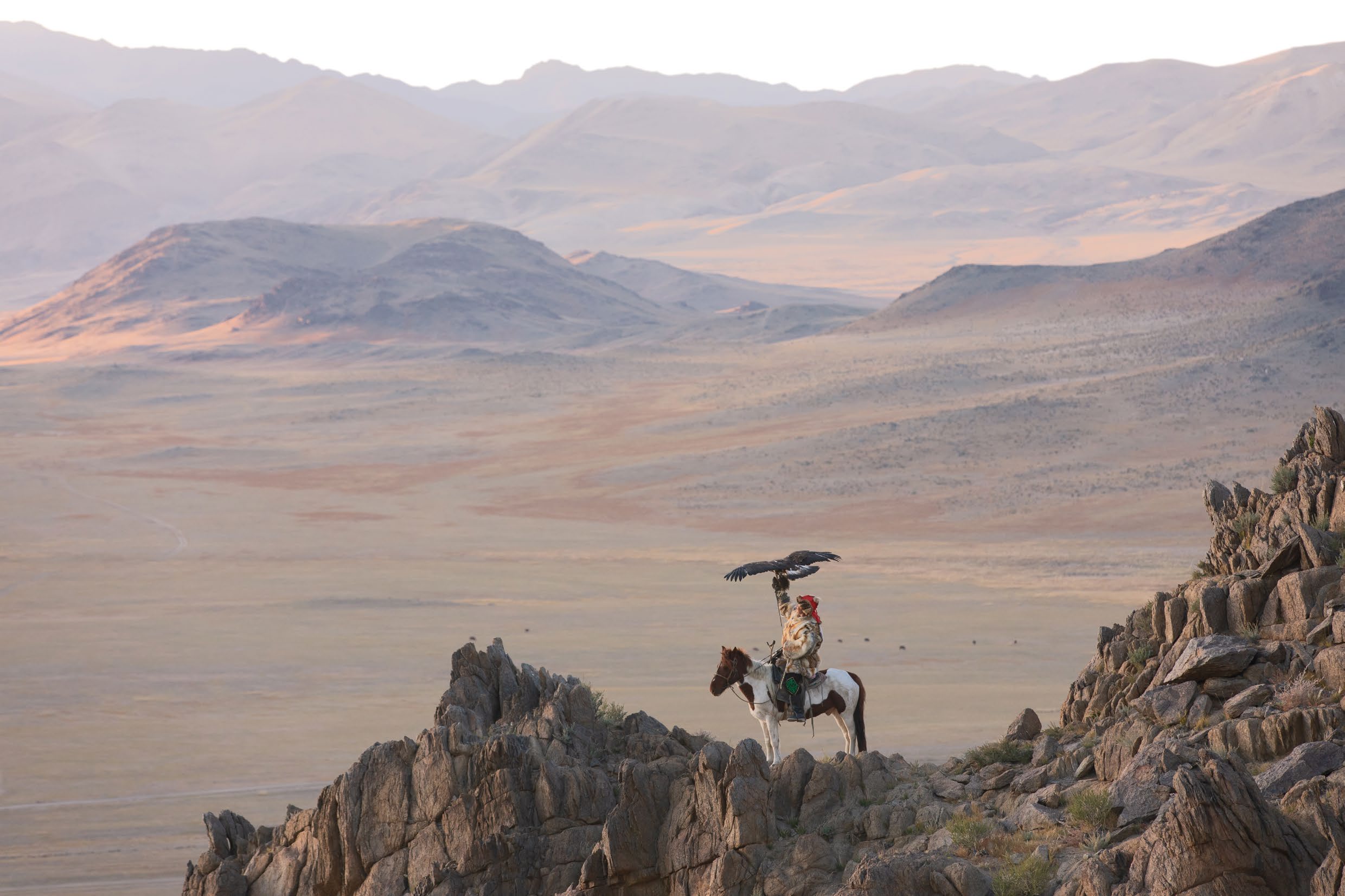
Rangelands support nearly two billion people globally, yet remain among the world’s most undervalued ecosystems. Land and People Day will place land stewards at the center of discussions, highlighting the perspectives of Indigenous Peoples, local communities, pastoralists, youth, women and civil society. - Food Systems and Soil Health Day, 27 August
Global food demand is projected to increase significantly by 2050, while food systems remain a major driver of land degradation and account for more than 70 per cent of freshwater use. Food Systems and Soil Health Day will focus on connecting soil restoration with food security, agricultural productivity and resilient livelihoods.
From Commitments to Implementation
Countries have already adopted large-scale land restoration targets and developed national drought plans. The key challenge now is implementation. COP17 aims to translate ambition into coordinated finance, policy and action.